

-
About UsZHONGTAI HENGBANG Engineering Technology Co., Ltd. is located in the Academician Entrepreneurship Base of Tai'an National High-Tech Industrial Development Zone, Shandong Province. The company is a comprehensive service provider specializing in engineering consulting and design, materials R&D and manufacturing, as well as operations and maintenance. With strong technical expertise and robust R&D capabilities, its products are primarily applied in critical areas such as water conservancy infrastructure projects, transportation infrastructure initiatives, and environmental protection solutions for isolating and preventing leakage from urban waste and highly hazardous industrial solid waste.

-
ProductsZHONGTAI HENGBANG Engineering Technology Co., Ltd. boasts production lines sourced from countries including Germany, Italy, Denmark, Belgium, and Switzerland, adhering to rigorous quality management systems and testing standards. We are equipped with advanced testing equipment capable of evaluating tensile strength, creep resistance, UV protection, water permeability, flame retardancy, antistatic properties, chemical corrosion resistance, and oxidation performance.
-
Application CasesThe product is primarily used in hydraulic infrastructure projects, transportation infrastructure projects, and environmental protection applications—including the isolation and impermeability of municipal waste and highly hazardous industrial solid waste.
-
BlogPrioritizing technological advancement and innovation, our company is committed to fulfilling user needs to the fullest extent possible.
A Brief Discussion on Geomembrane Construction Techniques and Quality Control for Seepage Prevention in Guizhou
Release date:
2020-10-03
1 Guizhou Anshun Waterproof Geomembrane Construction techniques:
1.1 Subbase Construction
Before laying the geomembrane, it's essential to first construct the leveling layer. This layer can be made of either a water-stabilized base course or cement mortar. While the water-stabilized base course is cost-effective and easy to install, it tends to become loose and deform easily under foot traffic during construction. On the other hand, using cement mortar prevents this issue but comes at a higher cost. The leveling layer serves two primary functions: first, it supports the weight of the overlying geomembrane and concrete slab, effectively transferring that load to the foundation; second, it acts as a leveling surface, ensuring the geomembrane can be laid smoothly and evenly. The surface of the leveling layer must be smooth, dense, and compact, with an ideal thickness ranging from 3 to 5 cm. During construction, it’s crucial to wait until the leveling layer has achieved sufficient strength before proceeding with the next steps—otherwise, there’s a risk of damage or deformation, potentially leading to distortions or even tears in the geomembrane.

1.2 Guizhou Anshun Waterproof Geomembrane Laying out
After the subgrade has been accepted, earthwork geomembrane installation can proceed. The laying process should begin downstream and move upstream—against the direction of water flow—and be carried out simultaneously with the application of ballast weight. Before installation, ensure that the surface is free of debris such as rocks, tree roots, or other foreign objects, as these could damage the geomembrane. Workers must wear soft-soled shoes during the process. At channel bends, measure dimensions carefully in advance to minimize on-site cutting. During installation, avoid stretching the geomembrane too tightly to prevent stress concentrations; instead, adopt a naturally relaxed, wave-like arrangement. In regions with significant daily temperature fluctuations, it’s also crucial to avoid working during the hottest part of the day—typically around noon. Additionally, always monitor weather conditions closely, and refrain from installing the geomembrane during windy conditions.
Based on the dimensions of the channel's cross-sectional flow area, select the appropriate geomembrane size. The geomembrane used at the Taladesai Hydropower Station has a width of 6 meters and a length of 30 meters. According to on-site construction statistics, it typically takes only about 25 to 30 minutes to lay and weld a single sheet of geomembrane to meet quality standards—making the process simple and convenient.
1.3 Guizhou Anshun Waterproof Geomembrane Welding
Before welding, properly overlap the geomembrane, ensuring the overlap width is typically at least 30 cm. At the overlap area, the geotextile should be peeled back, allowing the membrane to adhere tightly against itself. The overlapping surface must be clean and smooth, free from dirt, moisture, dust, or any other contaminants that could compromise weld quality.
Guizhou Anshun Waterproof Geomembrane Construction will be carried out using hot-melt welding, with a dedicated welding machine. The optimal welding temperature ranges from 280°C to 300°C, and the welding speed should be maintained at 2–3 meters per minute. Each weld will feature a double-welded seam. Before starting the welding process, inspect the overlapping surfaces carefully—any wrinkles must be smoothed out, ensuring that both edges of the overlap are perfectly aligned. One or two assistant workers will help flatten the geomembrane in front of the welding machine, while a skilled professional performs the actual welding. It’s important to note that factors such as ambient temperature, humidity, site location, the specific material of the membrane, and even the operator’s experience can significantly impact the quality of the weld. Therefore, before proceeding with full-scale welding, a trial weld should always be conducted first. Based on the results of the trial weld, adjust the optimal welding temperature and travel speed for the job site. Whenever possible, complete each weld seam in one continuous pass. If the welding process needs to pause mid-way, use a colored marker to clearly indicate the exact stopping point, so this area can be thoroughly inspected later. Additionally, welding activities should cease immediately if wind speeds exceed level 4 or if it’s raining.
2. Guizhou Anshun Waterproof Geomembrane Quality Control:
2 Quality Control
The critical aspects of geotextile membrane construction quality include the product quality of the membrane itself, the quality of its laying and welding, as well as the qualifications and expertise of the work team. This also encompasses the effectiveness of equipment like welding machines, the rigor of process inspections, and the appropriateness of seasonal construction practices.
2.1 Raw Material Quality Control and Storage
Guizhou Anshun Waterproof Geomembrane Product quality is critical to the success of construction projects, so it’s essential to select qualified and reputable suppliers through a competitive bidding process. Ensure thorough review of the product’s three key documents: the Certificate of Conformity, the Product Instruction Manual, and the Product Testing & Inspection Report. For this project, the impermeable layer will utilize a "one geotextile layer plus one geomembrane" composite system—specifically, a 150 g/0.6 mm geomembrane paired with a single layer of geotextile. The impermeable membrane is made from black polyethylene (PE) material containing advanced anti-aging additives (such as antioxidants and light stabilizers), with LDPE resin providing medium density. The manufacturing process involves blow-molding for optimal performance. The geotextile used is a white, long-fiber spunbond needle-punched nonwoven fabric. The manufacturer chosen via tender is a local enterprise based in Urumqi (see Tables 1–4).
When the raw materials leave the factory, manufacturers conduct mechanical performance tests such as tensile and puncture resistance, and the test results meet the design specifications. Guizhou Anshun Waterproof Geomembrane After entering the site, first conduct a rigorous inspection of the visual quality, including membrane uniformity, thickness, toughness, and strength. Products that fail the visual inspection must not be used. Following the visual check, further re-inspection of the geomembrane and witnessed sampling are required. Samples will then be sent to a testing facility that meets the necessary qualifications and professional standards for mechanical performance testing. Once the test report confirms compliance, the materials can finally be approved for on-site use.
At the same time, the supervising engineer should also ensure that the construction unit strictly follows the manufacturer's requirements for the proper storage and handling of on-site materials. A temporary storage warehouse must be set up at the construction site, with enhanced measures in place to prevent damage, theft, rain exposure, corrosion, and other risks. Special attention should be paid to protecting materials from direct sunlight or rain, while also avoiding compression or bending. Designated personnel must be assigned to oversee and safeguard the materials at all times.
ZHONGTAI HENGBANG Engineering Technology Co., Ltd. is a comprehensive service provider integrating engineering consulting and design, material R&D and manufacturing, as well as operations and maintenance. With robust technical expertise and strong R&D capabilities, our products are prominently applied in environmental protection fields such as hydraulic infrastructure projects, transportation infrastructure initiatives, and the isolation and anti-seepage solutions for urban waste and hazardous industrial solid waste management. The company boasts advanced production lines sourced from Germany, Italy, Denmark, Belgium, Switzerland, and other countries, adhering to stringent quality management systems and testing standards. We are equipped with cutting-edge testing equipment capable of evaluating critical properties—including tensile strength, creep resistance, UV resistance, permeability, flame retardancy, antistatic performance, chemical corrosion resistance, and oxidation stability—ensuring superior product quality. Furthermore, ZHONGTAI HENGBANG has successfully obtained certifications such as CRCC, ISO 9001, ISO 14001, OHSAS 18000, and MA approval. We also hold track-and-waterway-specific testing reports issued by China’s Ministry of Transport and Ministry of Water Resources, along with the prestigious EU CE certification, as well as approvals from specialized laboratories in Russia, Australia, the United States, and other regions. Committed to delivering top-tier geosynthetic materials and unparalleled service, we proudly support key projects such as reinforced earth retaining walls, soft ground stabilization, land reclamation cofferdams and their maintenance, hydraulic engineering, slope remediation and greening, road construction, and mining projects.
Consultation Phone: 13953856388
Contact: Mr. Zhang
Latest Updates
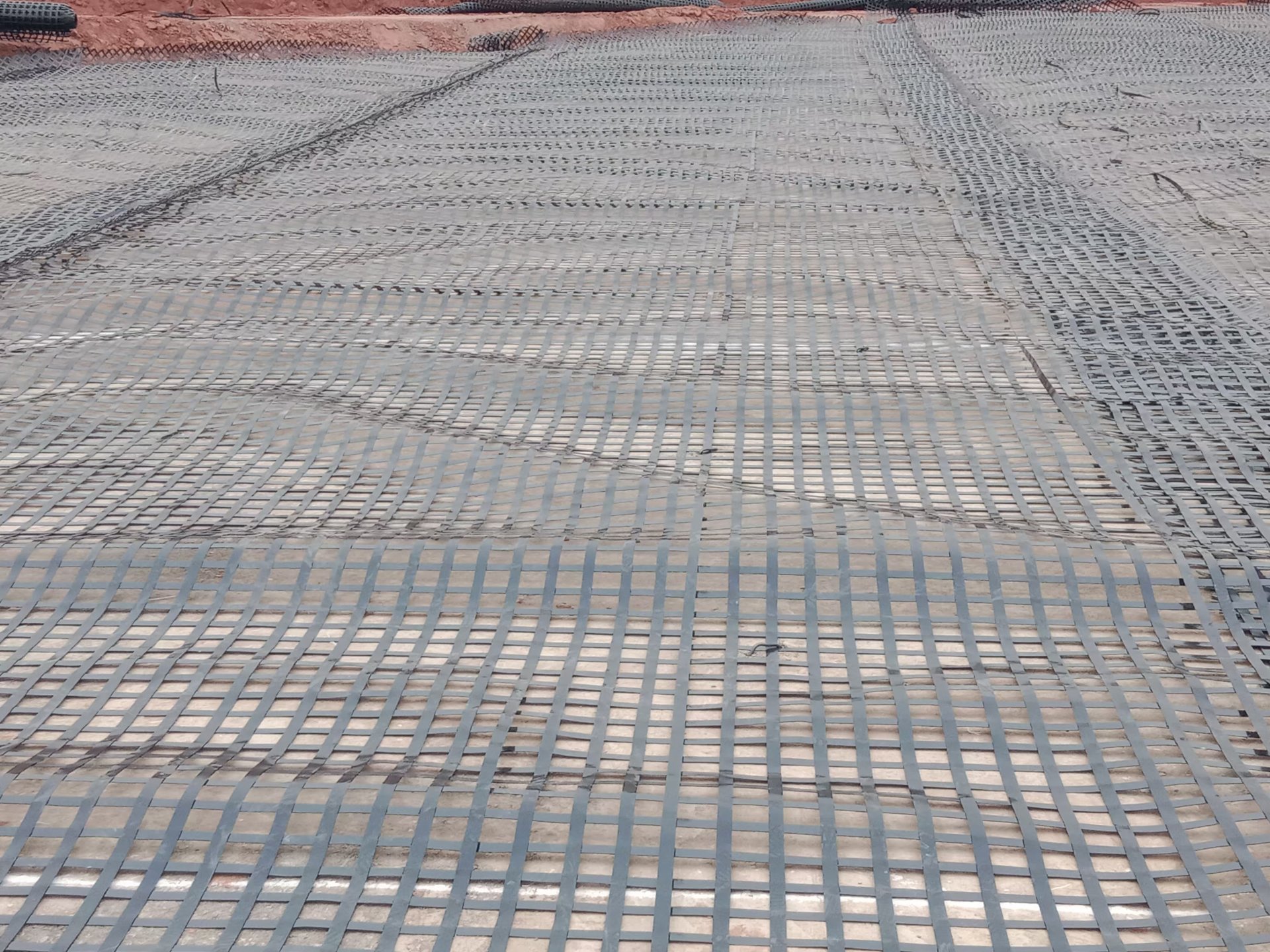
ZHONGTAI HENGBANGPET Polyester Welded Geogrid Advantages
Relying on independent innovation and technological expertise, Taihengbang Engineering Technology Co., Ltd. has achieved groundbreaking progress in the geosynthetics field. The company’s newly developed and produced PET polyester-welded geogrids, backed by multiple core patented technologies, have set a high-standard industry benchmark. Built on high-strength polyester materials and crafted through advanced precision welding techniques, these geogrids feature a robust, stable mesh structure, delivering exceptional performance in terms of tensile strength, durability, and environmental adaptability.
Jingzhe | Spring thunder rumbles, and all things grow.
Around March 5, the first spring thunder begins to rumble, rousing hibernating insects and snakes from their winter slumber. Peach blossoms start to peek out on the branches, and the earth softens as new buds emerge.
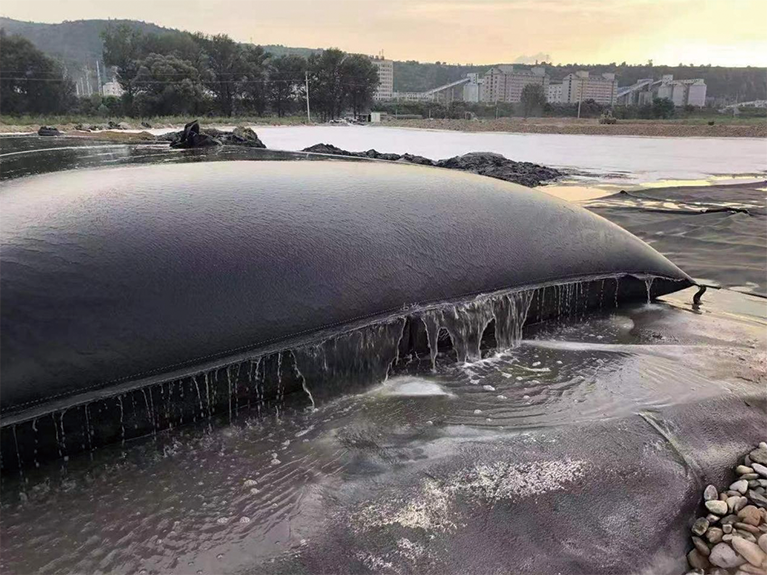
Geotube: A sludge dewatering tool—your eco-friendly engineering ally
A geotube is a tubular bag made by sewing together high-strength geotextile fabric. Utilizing the natural principle of gravity filtration, it removes water from sludge, effectively separating mud from water.
February 2, Dragon Raises Head: A Forgotten Spring Festival Celebration
On the second day of the second lunar month, spring returns to the earth, and all things awaken from their winter slumber. On this day—gradually fading from modern memory—lies one of the deepest cultural codes of the Chinese nation. The "Dragon Rises" is not just a seasonal marker; it’s also a spiritual totem for the Chinese people—a cherished legacy of our agricultural civilization.
Construction Plan for Laying and Welding of Composite Geomembranes
Construction Plan for Laying and Welding of Composite Geomembranes
Introduction to Drainage and Waterproofing Sheets
Introduction to Drainage and Waterproofing Sheets
ZHONGTAI HENGBANG Technology Co., Ltd.
Address: East Section of Zhongtianmen Avenue, Tai'an High-tech Zone, Shandong Province
Service Hotline