

-
About UsZHONGTAI HENGBANG Engineering Technology Co., Ltd. is located in the Academician Entrepreneurship Base of Tai'an National High-Tech Industrial Development Zone, Shandong Province. The company is a comprehensive service provider specializing in engineering consulting and design, materials R&D and manufacturing, as well as operations and maintenance. With strong technical expertise and robust R&D capabilities, its products are primarily applied in critical areas such as water conservancy infrastructure projects, transportation infrastructure initiatives, and environmental protection solutions for isolating and preventing leakage from urban waste and highly hazardous industrial solid waste.

-
ProductsZHONGTAI HENGBANG Engineering Technology Co., Ltd. boasts production lines sourced from countries including Germany, Italy, Denmark, Belgium, and Switzerland, adhering to rigorous quality management systems and testing standards. We are equipped with advanced testing equipment capable of evaluating tensile strength, creep resistance, UV protection, water permeability, flame retardancy, antistatic properties, chemical corrosion resistance, and oxidation performance.
-
Application CasesThe product is primarily used in hydraulic infrastructure projects, transportation infrastructure projects, and environmental protection applications—including the isolation and impermeability of municipal waste and highly hazardous industrial solid waste.
-
BlogPrioritizing technological advancement and innovation, our company is committed to fulfilling user needs to the fullest extent possible.
What are the main uses of green geotextiles?
Release date:
2024-05-30
As global awareness of environmental protection continues to grow, the civil engineering sector is also increasingly exploring the application of eco-friendly new materials. Green geotextiles, as a cutting-edge environmentally friendly material, not only maintain engineering stability but also fully address the need for environmental conservation. This article will provide a detailed introduction to green geotextiles, covering their definition, key characteristics, diverse application areas, and their significant contributions to sustainability.
I. Introduction
As global awareness of environmental protection continues to grow, the field of civil engineering is also increasingly exploring the application of eco-friendly new materials. Green geotextiles, as a cutting-edge environmentally friendly material, not only maintain engineering stability but also fully address the need for environmental conservation. This article will provide a detailed introduction to green geotextiles, covering their definition, key characteristics, application areas, and their significant contributions to sustainability.
II. Definition and Characteristics of Green Geotextiles
Green geotextiles, also known as eco-friendly geotextiles, are geosynthetic materials made from environmentally friendly components. They not only retain the traditional physical and chemical properties of conventional geotextiles—such as high permeability, excellent filtration capabilities, and outstanding durability—but also place greater emphasis on environmental protection and sustainability throughout both production and application.
The main characteristics of green geotextiles include:
Eco-friendly materials: Green geotextiles are made from recyclable or biodegradable, environmentally friendly materials such as recycled polyester fibers and bio-based fibers, significantly reducing environmental pollution.
Low-energy production: During the manufacturing process, green geotextiles utilize low-energy, low-emission production techniques, minimizing their environmental impact.
Biodegradability: After reaching the end of their service life, green geotextiles can be disposed of through natural decomposition or biodegradation, ensuring they do not cause long-term environmental pollution.
III. Application Areas of Green Geotextiles
Green geotextiles have broad application prospects in the field of civil engineering, primarily covering the following areas:
Civil Engineering: In hydraulic structures such as embankments, reservoirs, and canals, green geotextiles can be used for laying drainage layers in embankments and constructing seepage barriers in reservoirs and channels—tasks that not only ensure the stability of the project but also help minimize environmental pollution.
Road Construction: In the construction of highways, railways, and other road systems, green geotextiles can be used for laying drainage layers in the subgrade, installing isolation layers, and more—enhancing the road’s load-bearing capacity and extending its service life while minimizing environmental impact.
Environmental Engineering: In environmental projects such as landfills and wastewater treatment ponds, green geotextiles can be used to construct impermeable liners on the bottom and sides, preventing the leakage and spread of contaminants while safeguarding both the environment and groundwater resources.
IV. The Contribution of Green Geotextiles to Environmental Protection
Green geotextiles, as an environmentally friendly material, play a crucial role in promoting sustainability within civil engineering. Their key contributions include:
Reducing environmental pollution: Green geotextiles are made from eco-friendly materials, minimizing environmental harm during both production and use. Additionally, their biodegradability helps prevent long-term pollution issues.
Promoting resource recycling: The green geotextile is made from recyclable materials, helping to boost resource circulation and minimize waste.
Protecting the ecological environment: In environmental engineering projects, green geotextiles effectively prevent pollutants from leaking and spreading, safeguarding both the ecosystem and groundwater resources.
V. Development Trends in Green Geotextiles
As environmental awareness continues to grow and green policies gain momentum, the prospects for green geotextiles will become even broader. In the future, research on green geotextiles will place greater emphasis on the materials' eco-friendliness, durability, and functionality, ensuring they meet the diverse needs of various engineering fields. Meanwhile, with the continuous emergence of new materials and innovative manufacturing processes, the performance of green geotextiles will be further enhanced and expanded.
The previous one
The next one
Latest Updates
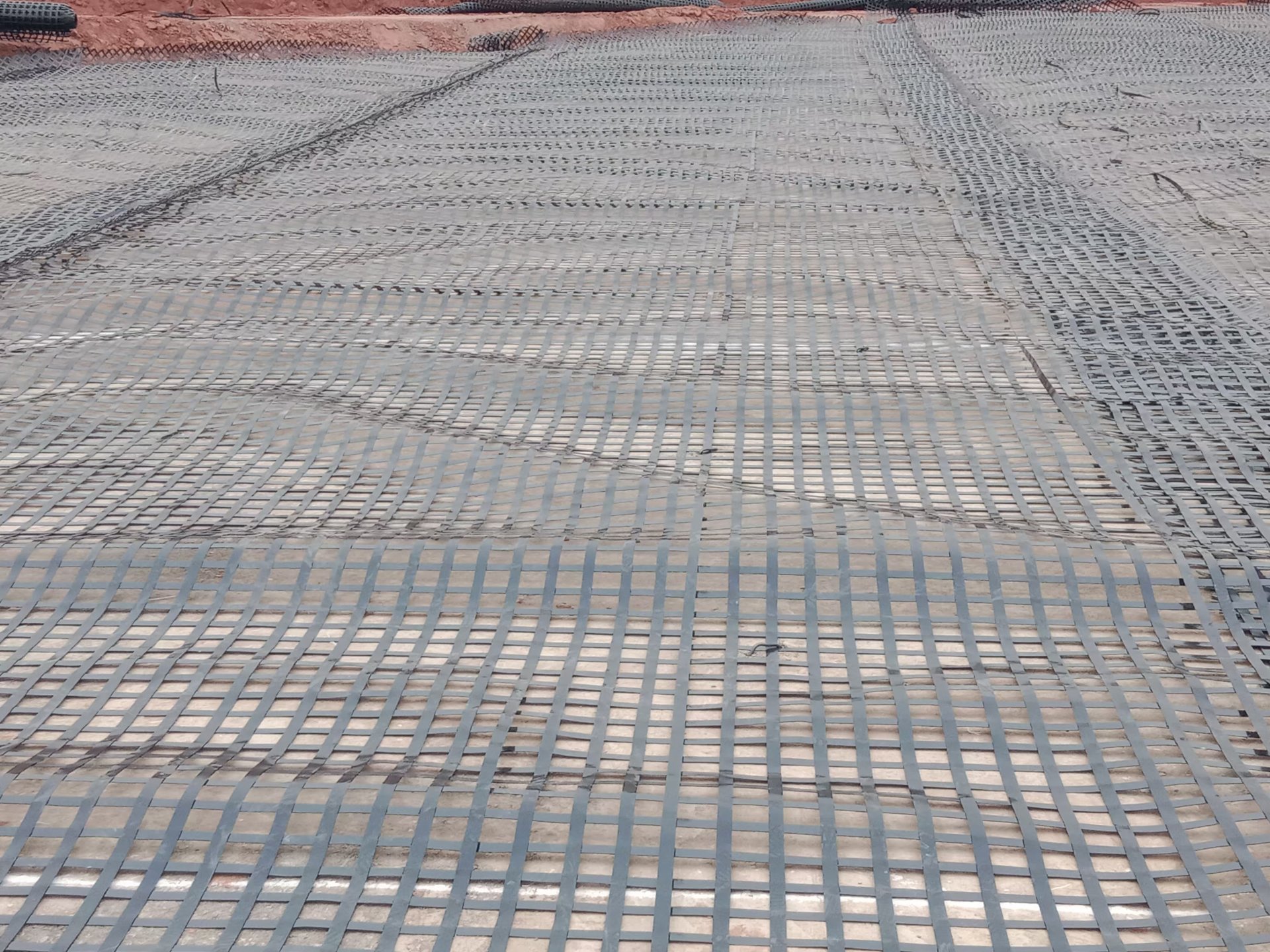
ZHONGTAI HENGBANGPET Polyester Welded Geogrid Advantages
Relying on independent innovation and technological expertise, Taihengbang Engineering Technology Co., Ltd. has achieved groundbreaking progress in the geosynthetics field. The company’s newly developed and produced PET polyester-welded geogrids, backed by multiple core patented technologies, have set a high-standard industry benchmark. Built on high-strength polyester materials and crafted through advanced precision welding techniques, these geogrids feature a robust, stable mesh structure, delivering exceptional performance in terms of tensile strength, durability, and environmental adaptability.
Jingzhe | Spring thunder rumbles, and all things grow.
Around March 5, the first spring thunder begins to rumble, rousing hibernating insects and snakes from their winter slumber. Peach blossoms start to peek out on the branches, and the earth softens as new buds emerge.
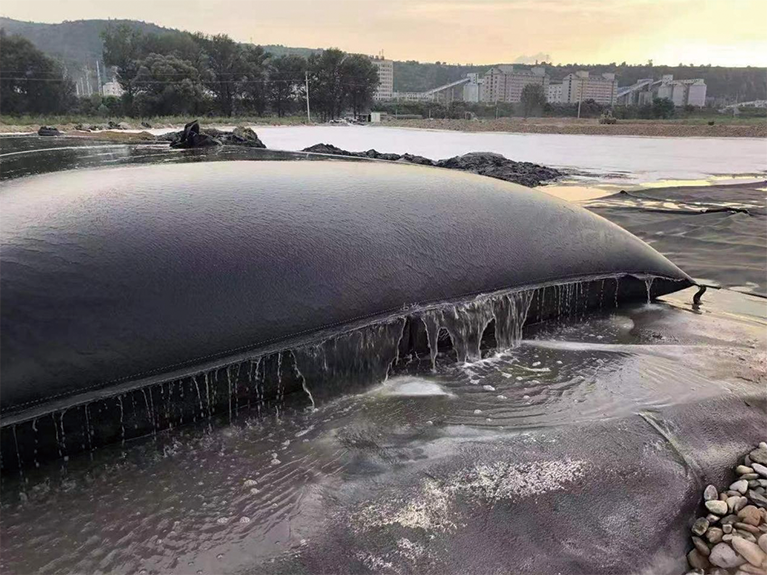
Geotube: A sludge dewatering tool—your eco-friendly engineering ally
A geotube is a tubular bag made by sewing together high-strength geotextile fabric. Utilizing the natural principle of gravity filtration, it removes water from sludge, effectively separating mud from water.
February 2, Dragon Raises Head: A Forgotten Spring Festival Celebration
On the second day of the second lunar month, spring returns to the earth, and all things awaken from their winter slumber. On this day—gradually fading from modern memory—lies one of the deepest cultural codes of the Chinese nation. The "Dragon Rises" is not just a seasonal marker; it’s also a spiritual totem for the Chinese people—a cherished legacy of our agricultural civilization.

Construction Plan for Laying and Welding of Composite Geomembranes
Construction Plan for Laying and Welding of Composite Geomembranes
Introduction to Drainage and Waterproofing Sheets
Introduction to Drainage and Waterproofing Sheets
ZHONGTAI HENGBANG Technology Co., Ltd.
Address: East Section of Zhongtianmen Avenue, Tai'an High-tech Zone, Shandong Province
Service Hotline