

-
About UsZHONGTAI HENGBANG Engineering Technology Co., Ltd. is located in the Academician Entrepreneurship Base of Tai'an National High-Tech Industrial Development Zone, Shandong Province. The company is a comprehensive service provider specializing in engineering consulting and design, materials R&D and manufacturing, as well as operations and maintenance. With strong technical expertise and robust R&D capabilities, its products are primarily applied in critical areas such as water conservancy infrastructure projects, transportation infrastructure initiatives, and environmental protection solutions for isolating and preventing leakage from urban waste and highly hazardous industrial solid waste.

-
ProductsZHONGTAI HENGBANG Engineering Technology Co., Ltd. boasts production lines sourced from countries including Germany, Italy, Denmark, Belgium, and Switzerland, adhering to rigorous quality management systems and testing standards. We are equipped with advanced testing equipment capable of evaluating tensile strength, creep resistance, UV protection, water permeability, flame retardancy, antistatic properties, chemical corrosion resistance, and oxidation performance.
-
Application CasesThe product is primarily used in hydraulic infrastructure projects, transportation infrastructure projects, and environmental protection applications—including the isolation and impermeability of municipal waste and highly hazardous industrial solid waste.
-
BlogPrioritizing technological advancement and innovation, our company is committed to fulfilling user needs to the fullest extent possible.
Tunnel Body EVA Waterproof Membrane Laying Procedure
Release date:
2024-01-04
The waterproof panels are installed using a simple, self-made trolley that is 6 meters long. Beforehand, the panels are pre-assembled into large sections outside the tunnel, adhered together according to the designed width. The bonding must be secure, and each joint must undergo at least six rounds of compaction.
1. The waterproof panels are installed using a simple, self-made trolley measuring 6 meters in length. Beforehand, the panels are pre-assembled into large sections outdoors according to the designed width, ensuring that the joints are securely bonded. Each bonded area must undergo at least six rounds of compaction for optimal adhesion.
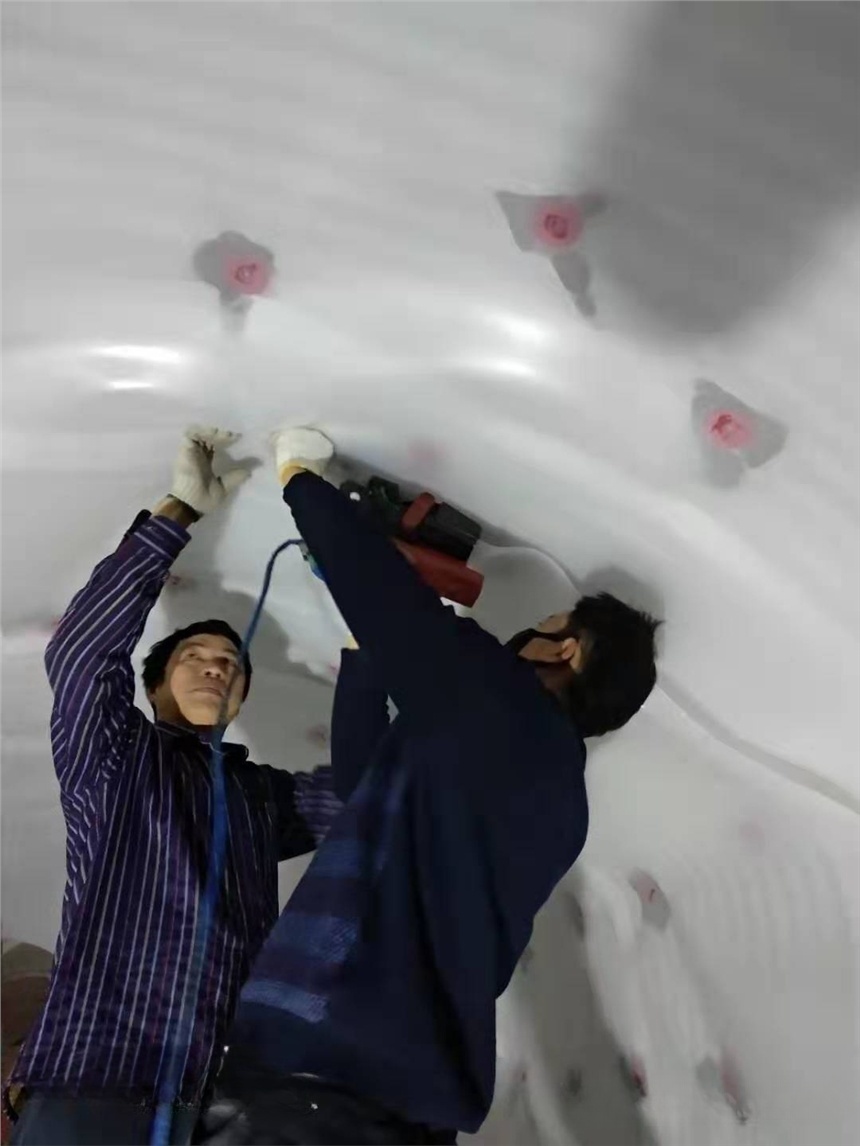
2. The waterproofing panels are installed prior to the secondary lining. They are hung using nail-free suspension straps to ensure the overall integrity of the panels. During installation, mark the initial support structure by drawing lines according to the positions of the straps on the back of the panels. Next, use an electric drill to create holes, insert expansion wood screws, and attach suspension rings onto the screws. Be sure to account for the required overlap allowance of the waterproofing panels when determining the screw placement.
3. Lay the waterproof membrane circumferentially from the top of the lining downward, securing the lifting loops on the back of the waterproof sheet to the wood screws as you go. Ensure the straps are tightly and securely connected to the lifting loops.
4. Each ring of waterproof membrane has an overlap width of 10 cm, and the overlapping areas are sealed with a self-propelled heat-sealing machine using a double-seam welding technique, ensuring tight and smooth welds.
5. Each time the waterproof membrane is laid, it should extend 50 cm beyond the lining section to ensure adequate overlap width with the next set of membranes, while also facilitating easier handling. During the construction of the lining concrete, care must be taken to protect the waterproof membrane from damage or tearing—especially in areas where reinforcing bars are present. When welding the reinforcement bars, extra precautions should be taken to shield the waterproof membrane, preventing it from being scorched or damaged by direct heat.
The next one
Latest Updates
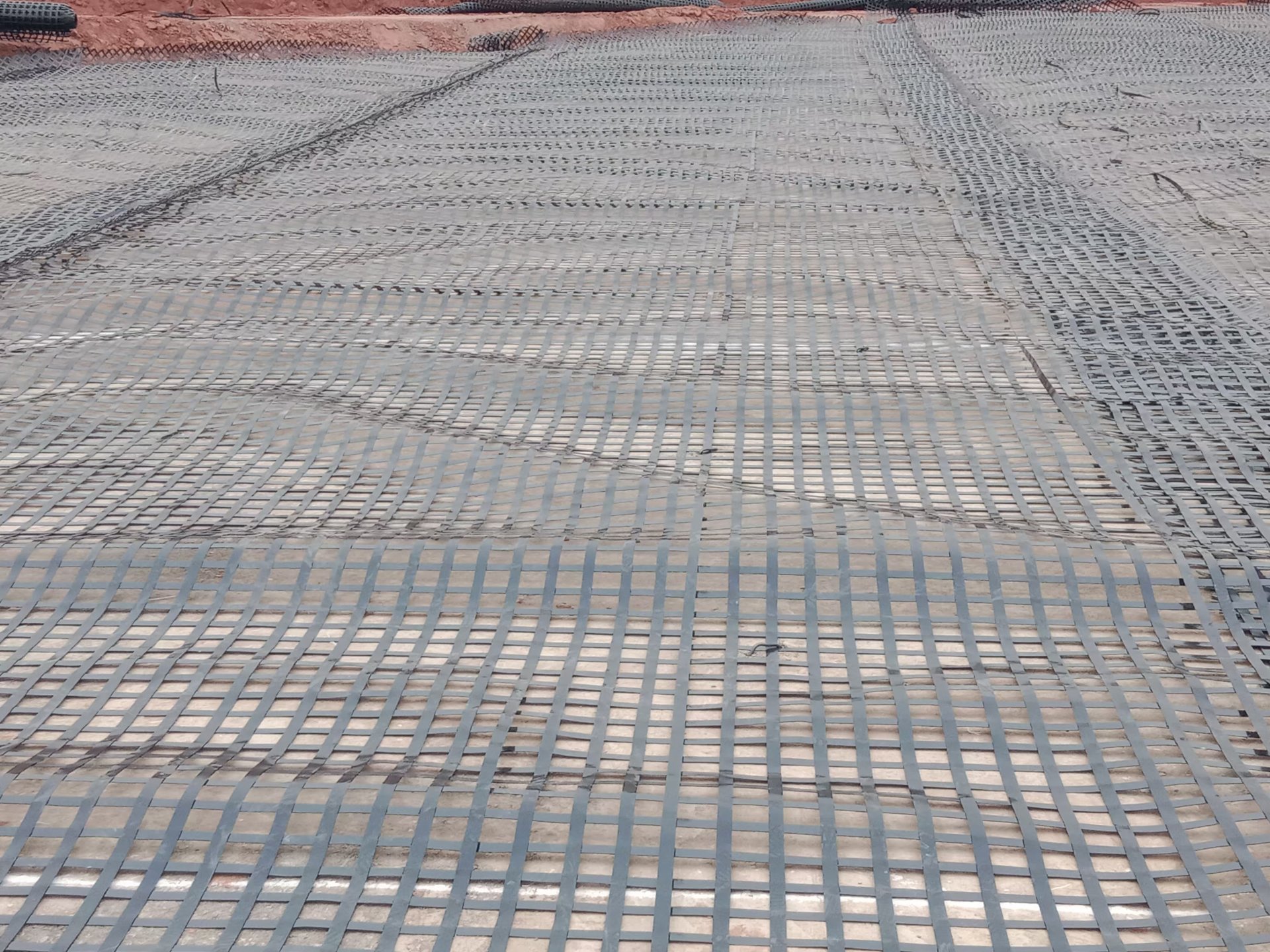
ZHONGTAI HENGBANGPET Polyester Welded Geogrid Advantages
Relying on independent innovation and technological expertise, Taihengbang Engineering Technology Co., Ltd. has achieved groundbreaking progress in the geosynthetics field. The company’s newly developed and produced PET polyester-welded geogrids, backed by multiple core patented technologies, have set a high-standard industry benchmark. Built on high-strength polyester materials and crafted through advanced precision welding techniques, these geogrids feature a robust, stable mesh structure, delivering exceptional performance in terms of tensile strength, durability, and environmental adaptability.
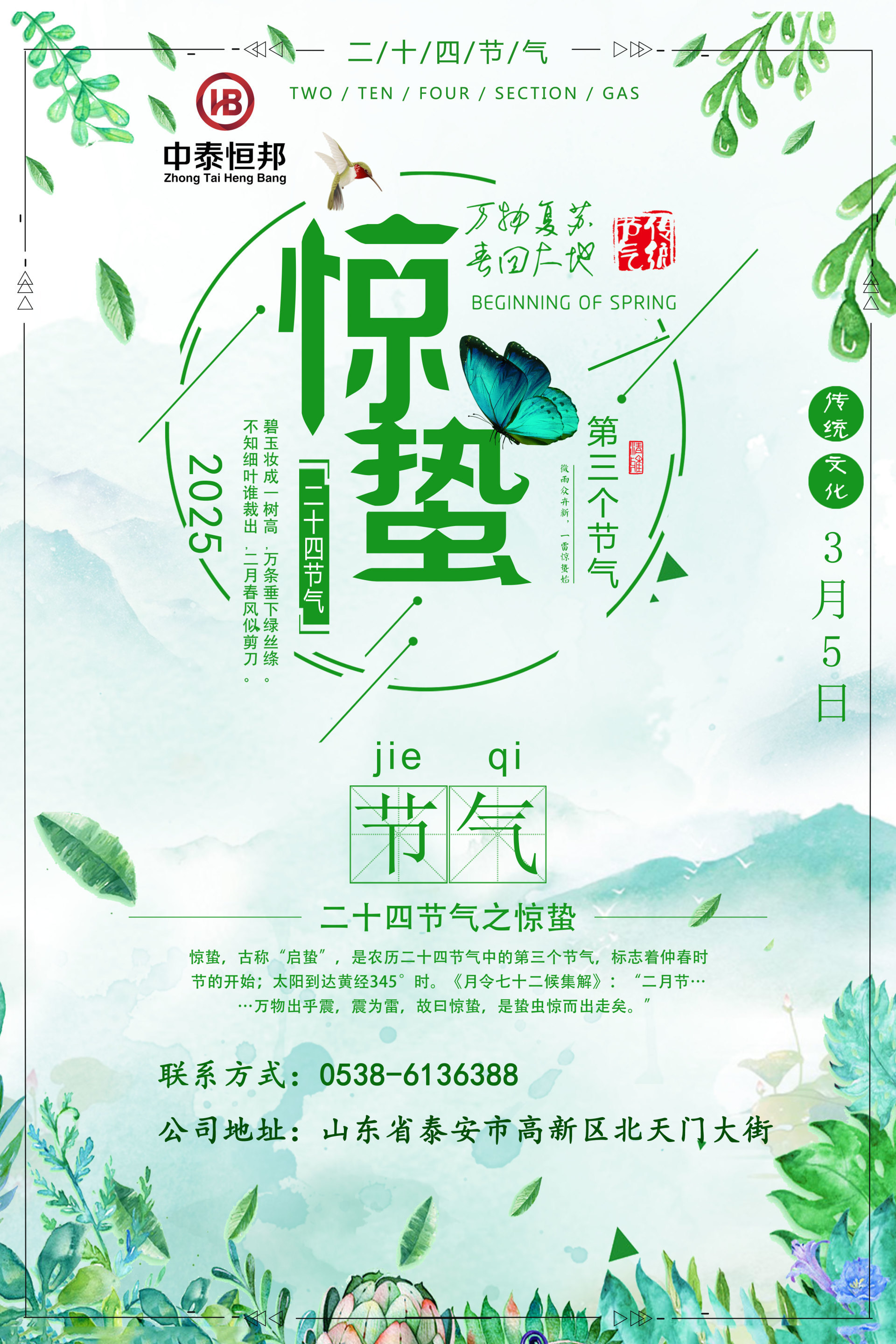
Jingzhe | Spring thunder rumbles, and all things grow.
Around March 5, the first spring thunder begins to rumble, rousing hibernating insects and snakes from their winter slumber. Peach blossoms start to peek out on the branches, and the earth softens as new buds emerge.
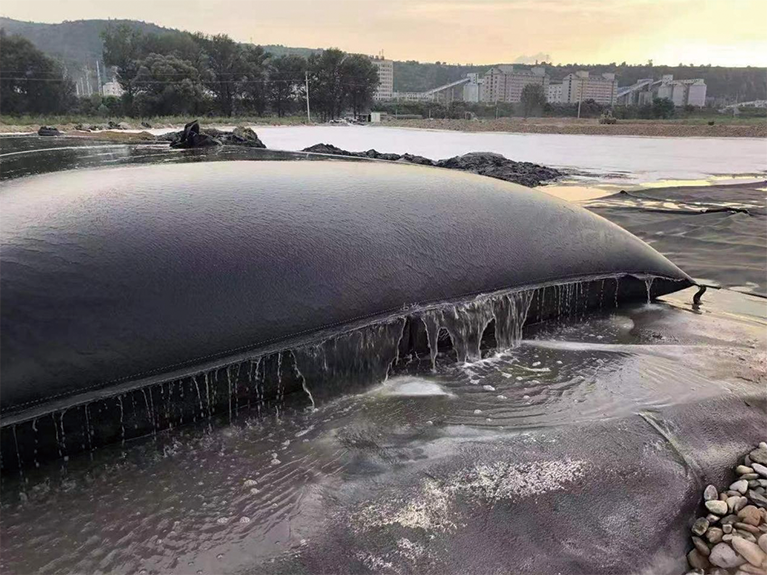
Geotube: A sludge dewatering tool—your eco-friendly engineering ally
A geotube is a tubular bag made by sewing together high-strength geotextile fabric. Utilizing the natural principle of gravity filtration, it removes water from sludge, effectively separating mud from water.
February 2, Dragon Raises Head: A Forgotten Spring Festival Celebration
On the second day of the second lunar month, spring returns to the earth, and all things awaken from their winter slumber. On this day—gradually fading from modern memory—lies one of the deepest cultural codes of the Chinese nation. The "Dragon Rises" is not just a seasonal marker; it’s also a spiritual totem for the Chinese people—a cherished legacy of our agricultural civilization.
Construction Plan for Laying and Welding of Composite Geomembranes
Construction Plan for Laying and Welding of Composite Geomembranes
Introduction to Drainage and Waterproofing Sheets
Introduction to Drainage and Waterproofing Sheets
ZHONGTAI HENGBANG Technology Co., Ltd.
Address: East Section of Zhongtianmen Avenue, Tai'an High-tech Zone, Shandong Province
Service Hotline