

-
About UsZHONGTAI HENGBANG Engineering Technology Co., Ltd. is located in the Academician Entrepreneurship Base of Tai'an National High-Tech Industrial Development Zone, Shandong Province. The company is a comprehensive service provider specializing in engineering consulting and design, materials R&D and manufacturing, as well as operations and maintenance. With strong technical expertise and robust R&D capabilities, its products are primarily applied in critical areas such as water conservancy infrastructure projects, transportation infrastructure initiatives, and environmental protection solutions for isolating and preventing leakage from urban waste and highly hazardous industrial solid waste.

-
ProductsZHONGTAI HENGBANG Engineering Technology Co., Ltd. boasts production lines sourced from countries including Germany, Italy, Denmark, Belgium, and Switzerland, adhering to rigorous quality management systems and testing standards. We are equipped with advanced testing equipment capable of evaluating tensile strength, creep resistance, UV protection, water permeability, flame retardancy, antistatic properties, chemical corrosion resistance, and oxidation performance.
-
Application CasesThe product is primarily used in hydraulic infrastructure projects, transportation infrastructure projects, and environmental protection applications—including the isolation and impermeability of municipal waste and highly hazardous industrial solid waste.
-
BlogPrioritizing technological advancement and innovation, our company is committed to fulfilling user needs to the fullest extent possible.
What are the advantages of flood control sandbags compared to regular sandbags?
Release date:
2023-11-02
In recent years, due to widespread abnormal climate patterns around the globe, severe flooding has become increasingly frequent, putting numerous ground-level structures at risk of damage. In particular, river overflows in China have occurred almost annually, resulting in significant casualties and substantial direct economic losses. As a result, early implementation of embankment construction is crucial to prevent such disasters. Traditionally, this involves piling sandbags at vulnerable areas, a method known for its high stability. However, sourcing sufficient soil and sand from nearby sites can be challenging, and dismantling these structures often raises serious environmental concerns. Meanwhile, advanced and developed nations like Germany, Sweden, and the United States have already pioneered innovative techniques that use water instead of soil or sand inside containment tubes—a solution that has proven highly practical in real-world applications.
In recent years, due to global abnormal climate patterns, frequent worldwide floods have occurred, putting numerous ground-level structures at risk of destruction. In particular, river flooding incidents in our country happen almost every year, resulting in significant casualties and severe direct economic losses. As a result, early construction of flood-control cofferdams is crucial. Traditionally, the common method involves piling sandbags at vulnerable areas, which offers excellent stability. However, sourcing sufficient soil and sand from nearby sites can be challenging, and dismantling these structures often raises serious environmental concerns. Meanwhile, advanced nations like Germany, Sweden, and the United States have already pioneered innovative solutions—using water-filled tubes instead of traditional sandbags—to address this issue. These methods have proven highly practical in real-world applications. The key advantages of the water-bag approach include rapid deployment of flood barriers, along with its cost-effectiveness and eco-friendly nature, which have been widely recognized by engineers and experts alike. Unfortunately, however, this technology remains largely unexplored in China. To bridge this gap, our company has partnered with the Nanjing Institute of Hydrology and Water Resources Research. Drawing on successful overseas case studies and adapting them to local conditions, we’ve conducted thorough technical research and developed a domestically tailored water-bag technology specifically designed for long-term flood control and emergency response. This groundbreaking innovation marks the launch of China’s first-generation ultra-long flood-control emergency water bag—a critical step toward enhancing our nation’s resilience against natural disasters.
Flood Control Sandbags Primarily used to swiftly address flood risks caused by widespread to exceptionally heavy rainfall during the rainy season, such as preventing water from overflowing in urban areas or mitigating urban flooding. For instance, it can be deployed to barricade and protect public spaces (like plazas, residential complexes, and city roads) or critical infrastructure (such as parking garages and substations), safeguarding them from inundation and potential damage. Additionally, it’s ideal for rapidly constructing temporary, emergency-safe pathways for both vehicles and pedestrians. This solution boasts key advantages, including high rescue efficiency, strong wave resistance, excellent stability, and the ability to be reused multiple times.
The flood-control and emergency rescue water-filled bag is made from flexible materials such as PP, PE, and PVC treated specifically for waterproofing. After being manufactured in a bag-like shape, it’s filled with water to transform into a robust, water-resistant structure—perfect for use on dams or temporary levees. This approach moves away from the conventional method of filling bags with soil, sand, or riprap.
Typically, in China, small sandbag methods are used to build temporary embankments aimed at protecting against river flooding. However, due to the limitations imposed by the narrow width at the base of the embankment, the construction height on-site is quite limited—usually ranging from 0.5 to 1.2 meters. Moreover, after a flood, these sandbags are difficult to clean up and cannot be reused or recycled, making the process far from environmentally friendly. As a result, there’s a strong demand for a new, more sustainable approach to address this challenge.
Our company has developed and produces flood-control emergency response tube bags. This innovative method involves filling the tubes with water, making it far easier to source supplementary materials compared to traditional sandbag approaches. Additionally, these bags are simple to remove and can be reused multiple times, making them highly environmentally friendly. Capable of containing water levels up to 5 meters high, these tube bags effectively serve as temporary dams—even in fast-flowing rivers or under harsh, challenging conditions.
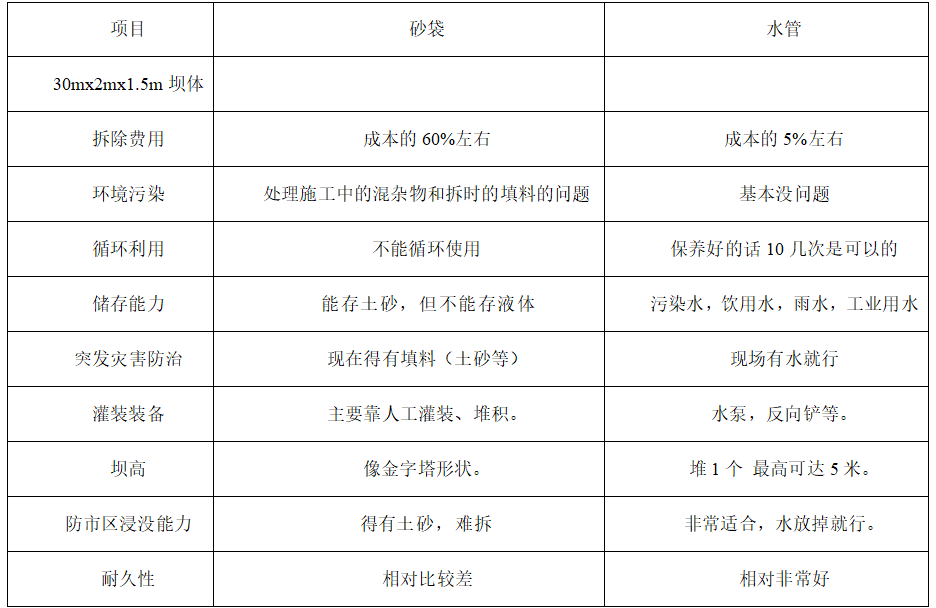
The table below compares the characteristics of sandbags and water bags, revealing that the latter outperforms the former in terms of construction, dismantling, environmental impact, and response to sudden disasters.
Latest Updates
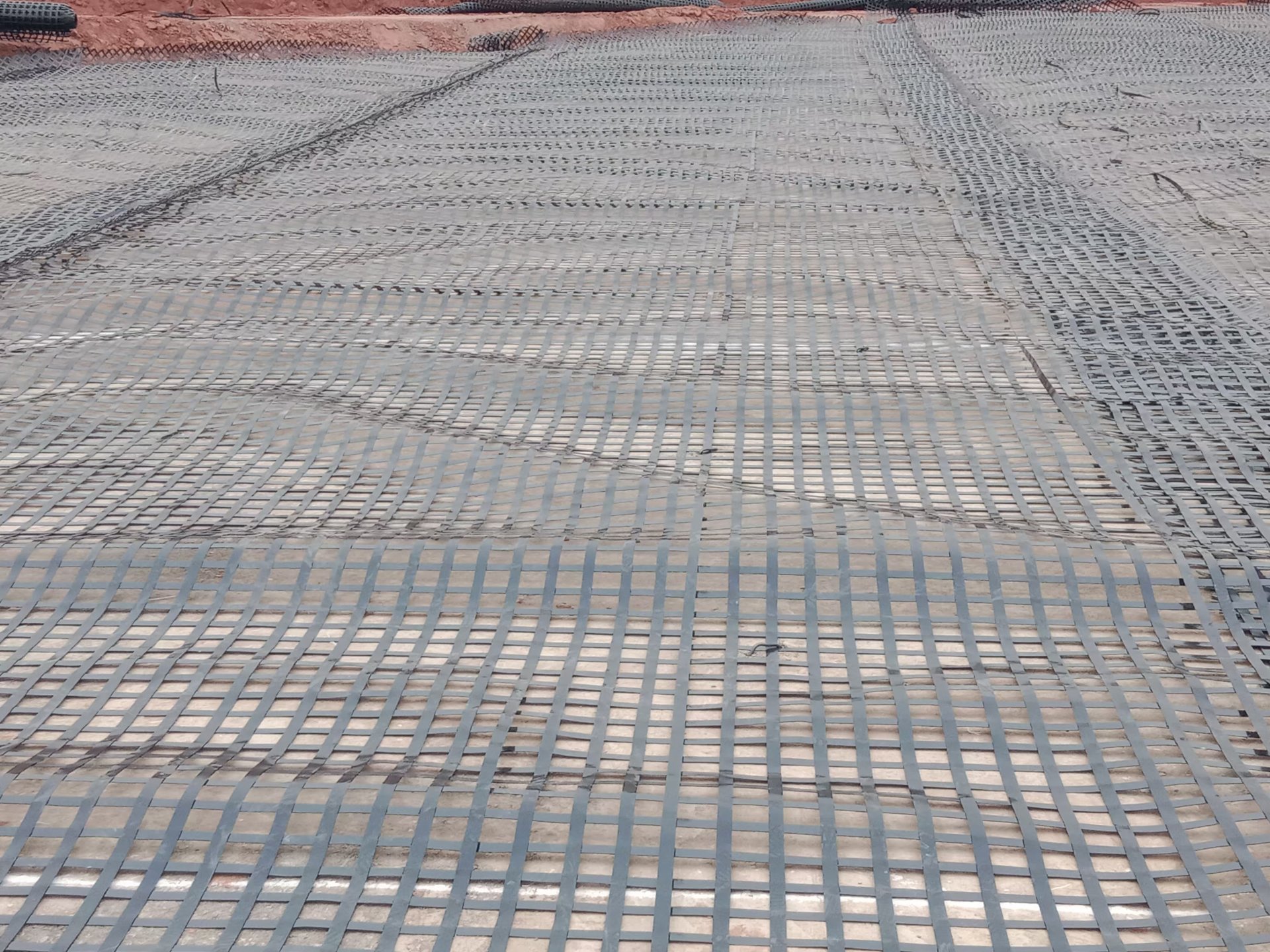
ZHONGTAI HENGBANGPET Polyester Welded Geogrid Advantages
Relying on independent innovation and technological expertise, Taihengbang Engineering Technology Co., Ltd. has achieved groundbreaking progress in the geosynthetics field. The company’s newly developed and produced PET polyester-welded geogrids, backed by multiple core patented technologies, have set a high-standard industry benchmark. Built on high-strength polyester materials and crafted through advanced precision welding techniques, these geogrids feature a robust, stable mesh structure, delivering exceptional performance in terms of tensile strength, durability, and environmental adaptability.
Jingzhe | Spring thunder rumbles, and all things grow.
Around March 5, the first spring thunder begins to rumble, rousing hibernating insects and snakes from their winter slumber. Peach blossoms start to peek out on the branches, and the earth softens as new buds emerge.
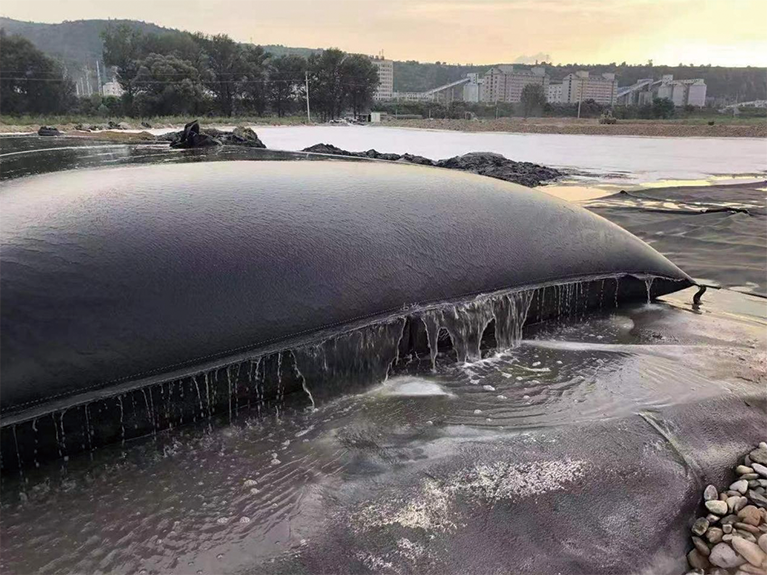
Geotube: A sludge dewatering tool—your eco-friendly engineering ally
A geotube is a tubular bag made by sewing together high-strength geotextile fabric. Utilizing the natural principle of gravity filtration, it removes water from sludge, effectively separating mud from water.
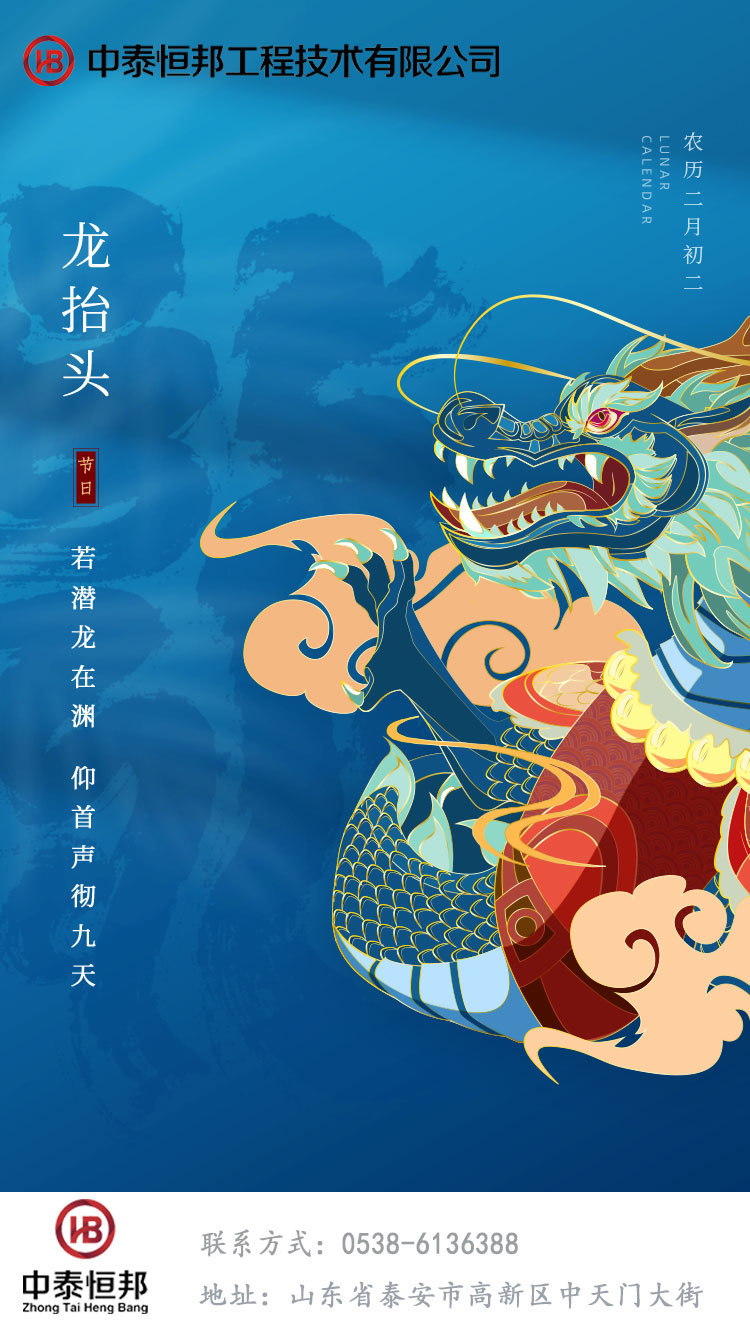
February 2, Dragon Raises Head: A Forgotten Spring Festival Celebration
On the second day of the second lunar month, spring returns to the earth, and all things awaken from their winter slumber. On this day—gradually fading from modern memory—lies one of the deepest cultural codes of the Chinese nation. The "Dragon Rises" is not just a seasonal marker; it’s also a spiritual totem for the Chinese people—a cherished legacy of our agricultural civilization.
Construction Plan for Laying and Welding of Composite Geomembranes
Construction Plan for Laying and Welding of Composite Geomembranes
Introduction to Drainage and Waterproofing Sheets
Introduction to Drainage and Waterproofing Sheets
ZHONGTAI HENGBANG Technology Co., Ltd.
Address: East Section of Zhongtianmen Avenue, Tai'an High-tech Zone, Shandong Province
Service Hotline