

-
About UsZHONGTAI HENGBANG Engineering Technology Co., Ltd. is located in the Academician Entrepreneurship Base of Tai'an National High-Tech Industrial Development Zone, Shandong Province. The company is a comprehensive service provider specializing in engineering consulting and design, materials R&D and manufacturing, as well as operations and maintenance. With strong technical expertise and robust R&D capabilities, its products are primarily applied in critical areas such as water conservancy infrastructure projects, transportation infrastructure initiatives, and environmental protection solutions for isolating and preventing leakage from urban waste and highly hazardous industrial solid waste.

-
ProductsZHONGTAI HENGBANG Engineering Technology Co., Ltd. boasts production lines sourced from countries including Germany, Italy, Denmark, Belgium, and Switzerland, adhering to rigorous quality management systems and testing standards. We are equipped with advanced testing equipment capable of evaluating tensile strength, creep resistance, UV protection, water permeability, flame retardancy, antistatic properties, chemical corrosion resistance, and oxidation performance.
-
Application CasesThe product is primarily used in hydraulic infrastructure projects, transportation infrastructure projects, and environmental protection applications—including the isolation and impermeability of municipal waste and highly hazardous industrial solid waste.
-
BlogPrioritizing technological advancement and innovation, our company is committed to fulfilling user needs to the fullest extent possible.
Fujian HDPE geomembranes have strict requirements during installation.
Release date:
2021-01-18
Laying out Fujian Longyan HDPE Geomembrane Previously, the corresponding pass inspection documentation for civil engineering works should have been provided. Fujian Longyan HDPE Geomembrane Before cutting, accurately measure the relevant dimensions according to standards, and then proceed with cutting as specified. It’s generally not advisable to cut directly based on the provided diagrams—instead, label each piece individually and record the details meticulously on a dedicated form. When laying the HDPE geomembrane from Longyan, Fujian, aim to minimize the number of weld seams while ensuring quality, thereby conserving materials without compromising performance. This approach also makes it easier to maintain high-quality standards throughout the process.
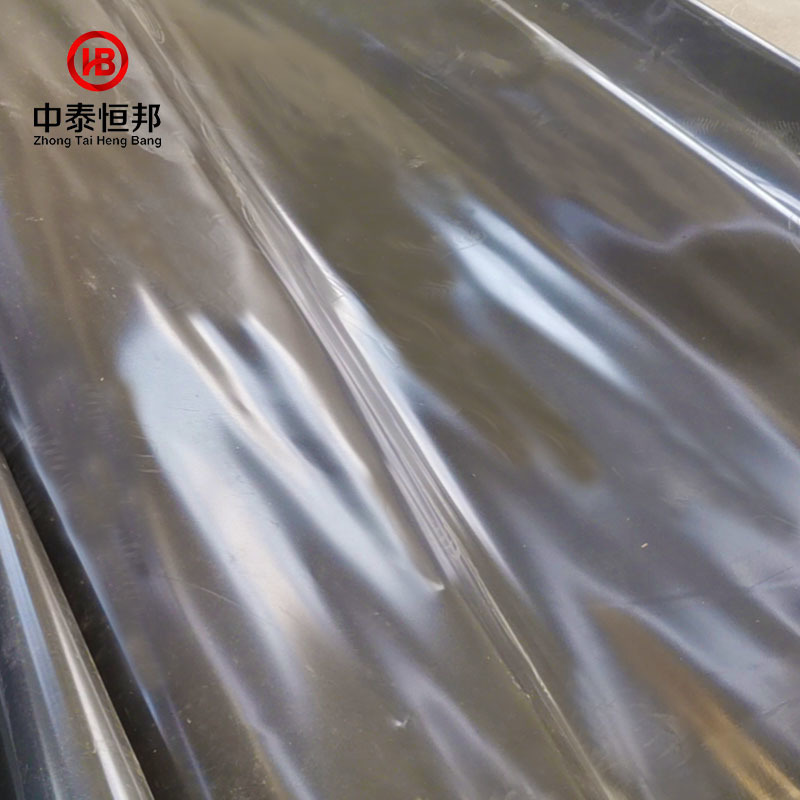
Fujian Longyan HDPE Geomembrane The overlap width at the seams between membranes is typically no less than 10 cm, and weld seams are usually aligned parallel to the steepest slope—meaning they run along the direction of the slope.
Typically, at corners and areas with structural changes, the length of joints should be minimized. Except in cases with specific requirements, no welds are required within 1.5 meters of the top slope or stress-concentration zones on slopes steeper than 1:6.
Fujian Longyan HDPE Geomembrane During installation, avoid creating artificial wrinkles; when temperatures are low, stretch and smooth the material as tightly as possible.
Fujian Longyan HDPE Geomembrane After laying is complete, minimize walking on the membrane surface or moving equipment across it. Any objects that could potentially damage the Fujian Longyan HDPE geomembrane should never be placed directly on the membrane—or carried while walking on it—to prevent sudden injuries to the material.
1. Fujian Longyan HDPE Geomembrane Construction base surface requirements
(1) The quality of the foundation surface must meet design requirements: The bottom and slope surfaces of the excavation, including their slopes and slope angles, as well as the anchorage slots on the slopes and the junctions between the slopes and free surfaces, must strictly adhere to the design specifications.
(2) The base surface must be dry, dense, and smooth, free of cracks, sharp objects, mud, and depressions. Within a vertical deviation of 25 mm, there should be no tree roots, debris, stones, rebar ends, or glass fragments. Additionally, the surface’s flatness should vary smoothly within acceptable limits, with a consistent and uniform slope throughout.
(3) The inner and outer corners of the base surface should transition smoothly, and the column bases should be shaped into an arc.
(4) The substrate surface must be dry, with a moisture content below 15 percent.
(5) The subbase should be dense and uniform, with the dry density of the soil subbase not less than 1.4 t/m².
2. Fujian Longyan HDPE Geomembrane Construction climate requirements:
(1) Generally, the temperature should be above 5°C. When the geomembrane is exposed to low temperatures, it should be kept relatively tight; in high temperatures, it should be allowed to relax more.
(2) Wind speed is below level 4.
(3) Construction is prohibited when temperatures are too low, or during winds of Force 4 or higher, as well as in rainy or snowy weather.
(4) During windy weather, when wind conditions affect the construction of geomembranes, the high-density polyethylene geomembrane to be welded should be securely pressed down with sandbags.
3. Fujian Longyan HDPE Geomembrane Welding precautions:
(1) During operation, keep the power cords of heat guns, grinding wheels, and welding machines as far away from their working areas as possible to prevent damage to wiring and potential electrical leakage.
(2) Except for hot-air welding, the hot-air gun nozzle must never come into contact with the surface of high-density polyethylene film under any circumstances, and should be kept as far away as possible from the film surface, human bodies, machinery, and other objects.
(3) When the welding machine is not in use, it must not be placed directly on the high-density polyethylene film surface; instead, it should be set down on a stand or secured with sandbags.
4. Fujian Longyan HDPE Geomembrane The laying:
(1) Laying the high-density polyethylene (HDPE) geomembrane is a critical step in the entire anti-seepage system. Before laying the membrane, an open-box inspection should be conducted to assess its visual quality. Any defects detected—such as mechanical damage, manufacturing marks, holes, or wrinkles—must be documented and repaired promptly.
(2) Before cutting the high-density polyethylene geomembrane, first measure its dimensions accurately, then proceed with cutting according to the actual situation. When laying the membrane, the overlap width between adjacent seams should be no less than 100 millimeters, ensuring that the seam lines run parallel to the slope toe line—specifically, along the direction of the slope.
Latest Updates
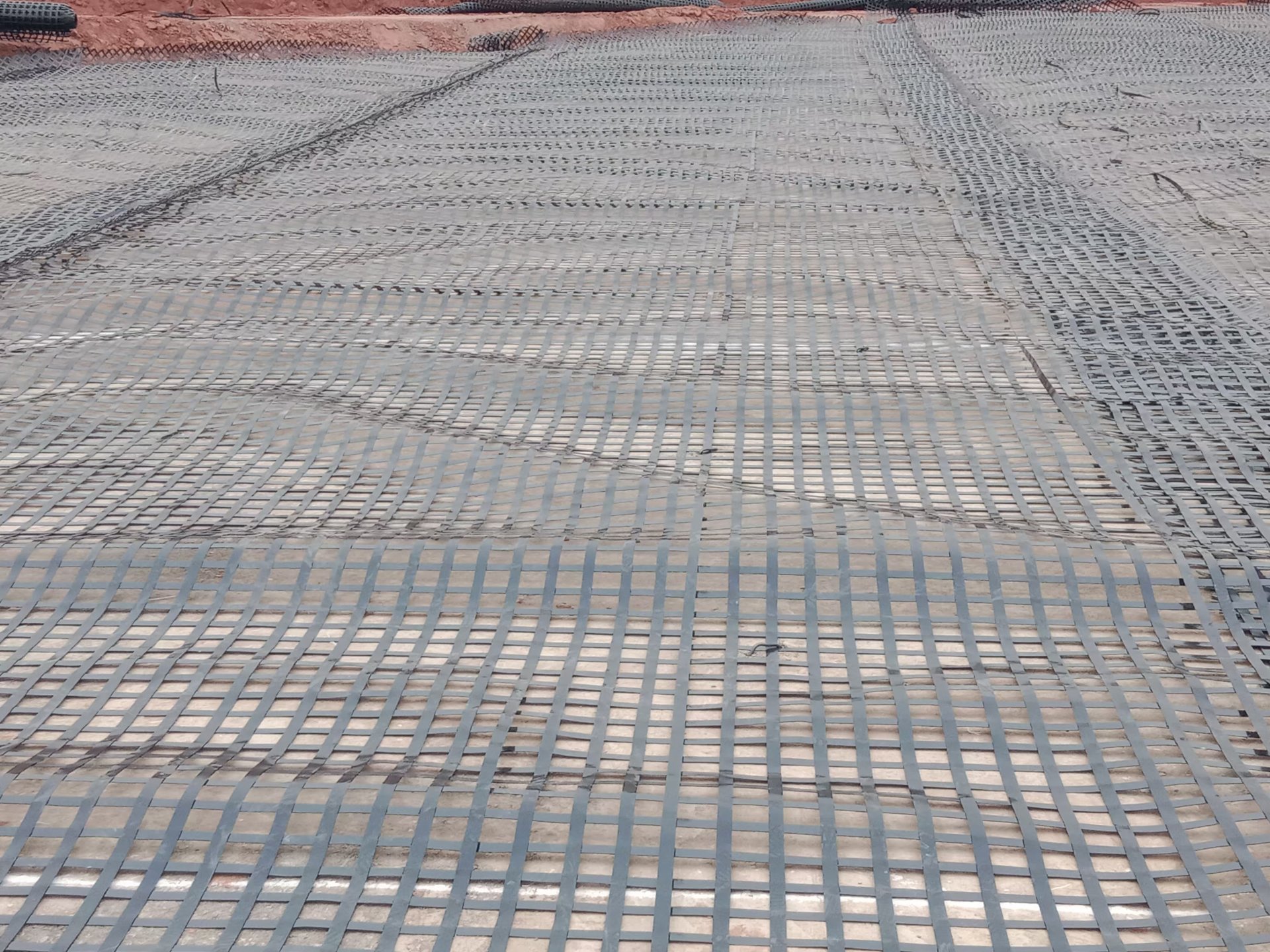
ZHONGTAI HENGBANGPET Polyester Welded Geogrid Advantages
Relying on independent innovation and technological expertise, Taihengbang Engineering Technology Co., Ltd. has achieved groundbreaking progress in the geosynthetics field. The company’s newly developed and produced PET polyester-welded geogrids, backed by multiple core patented technologies, have set a high-standard industry benchmark. Built on high-strength polyester materials and crafted through advanced precision welding techniques, these geogrids feature a robust, stable mesh structure, delivering exceptional performance in terms of tensile strength, durability, and environmental adaptability.
Jingzhe | Spring thunder rumbles, and all things grow.
Around March 5, the first spring thunder begins to rumble, rousing hibernating insects and snakes from their winter slumber. Peach blossoms start to peek out on the branches, and the earth softens as new buds emerge.
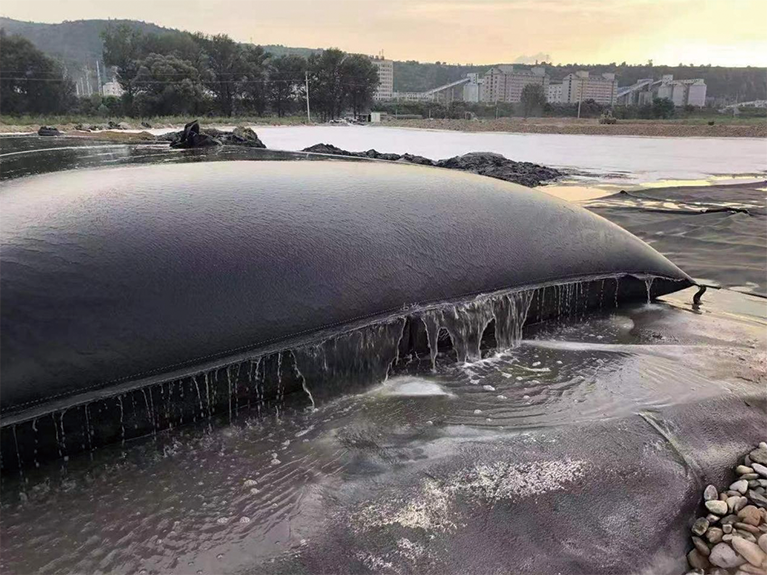
Geotube: A sludge dewatering tool—your eco-friendly engineering ally
A geotube is a tubular bag made by sewing together high-strength geotextile fabric. Utilizing the natural principle of gravity filtration, it removes water from sludge, effectively separating mud from water.
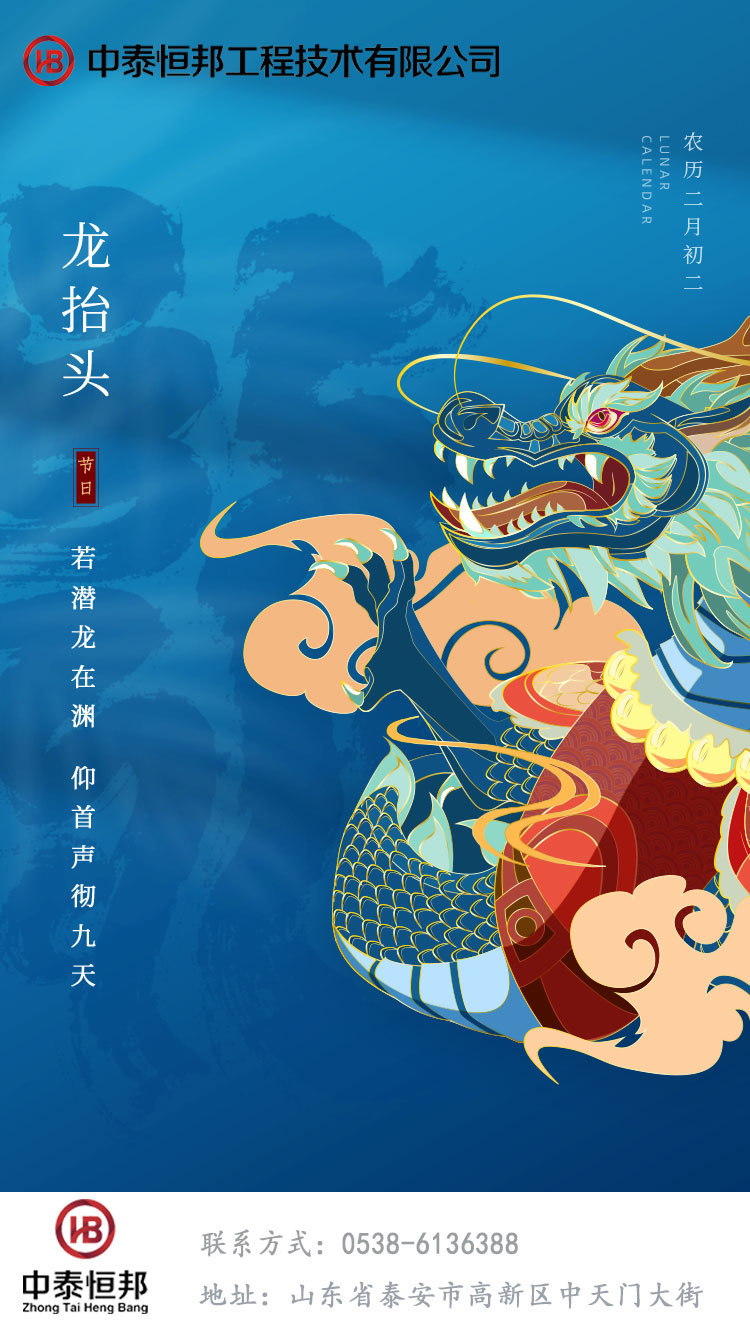
February 2, Dragon Raises Head: A Forgotten Spring Festival Celebration
On the second day of the second lunar month, spring returns to the earth, and all things awaken from their winter slumber. On this day—gradually fading from modern memory—lies one of the deepest cultural codes of the Chinese nation. The "Dragon Rises" is not just a seasonal marker; it’s also a spiritual totem for the Chinese people—a cherished legacy of our agricultural civilization.
Construction Plan for Laying and Welding of Composite Geomembranes
Construction Plan for Laying and Welding of Composite Geomembranes
Introduction to Drainage and Waterproofing Sheets
Introduction to Drainage and Waterproofing Sheets
ZHONGTAI HENGBANG Technology Co., Ltd.
Address: East Section of Zhongtianmen Avenue, Tai'an High-tech Zone, Shandong Province
Service Hotline