

-
About UsZHONGTAI HENGBANG Engineering Technology Co., Ltd. is located in the Academician Entrepreneurship Base of Tai'an National High-Tech Industrial Development Zone, Shandong Province. The company is a comprehensive service provider specializing in engineering consulting and design, materials R&D and manufacturing, as well as operations and maintenance. With strong technical expertise and robust R&D capabilities, its products are primarily applied in critical areas such as water conservancy infrastructure projects, transportation infrastructure initiatives, and environmental protection solutions for isolating and preventing leakage from urban waste and highly hazardous industrial solid waste.

-
ProductsZHONGTAI HENGBANG Engineering Technology Co., Ltd. boasts production lines sourced from countries including Germany, Italy, Denmark, Belgium, and Switzerland, adhering to rigorous quality management systems and testing standards. We are equipped with advanced testing equipment capable of evaluating tensile strength, creep resistance, UV protection, water permeability, flame retardancy, antistatic properties, chemical corrosion resistance, and oxidation performance.
-
Application CasesThe product is primarily used in hydraulic infrastructure projects, transportation infrastructure projects, and environmental protection applications—including the isolation and impermeability of municipal waste and highly hazardous industrial solid waste.
-
BlogPrioritizing technological advancement and innovation, our company is committed to fulfilling user needs to the fullest extent possible.
Afraid of foundation settlement? Try Chongqing's bidirectional plastic geogrids—fast!
Release date:
2020-12-23
It is composed of bidirectional reinforced strips combined through an innovative manufacturing process. Thanks to the product's surface, which has been embossed into a regular, coarse pattern, when laid over the compacted fill material, it effectively resists significant tensile stresses and generates substantial friction against the surrounding soil. This, in turn, collectively restrains shear deformation of the foundation soil, preventing lateral挤压 and uplift. Moreover, due to the high stiffness of the reinforced soil mat, it promotes efficient diffusion of the load from the upper foundation structure, distributing it more evenly across the underlying soft soil layers—thereby significantly enhancing the overall bearing capacity of the foundation. Additionally, the presence of the reinforced soil mat boosts the overall rigidity of the foundation within the compaction zone, making it easier to control and optimize ground deformation. It is composed of bidirectional reinforced strips combined through an innovative manufacturing process. Thanks to the product's surface, which has been embossed into a regular, coarse pattern, when laid over the compacted fill material, it effectively withstands significant tensile stresses and generates substantial friction against the surrounding soil. This, in turn, collectively restrains shear deformation of the foundation soil, preventing lateral挤压 and uplift. Moreover, due to the high stiffness of the reinforced soil mat, it promotes efficient diffusion of the load from the upper foundation structure, distributing it more evenly across the underlying soft soil layers—thereby significantly enhancing the overall bearing capacity of the foundation. Additionally, the presence of the reinforced soil mat boosts the overall rigidity of the foundation within the compaction zone, making it easier to control and optimize ground deformation. It is composed of bidirectional reinforced strips combined through an innovative manufacturing process. Thanks to the product's surface, which has been embossed into a regular, coarse pattern, when laid over the compacted fill material, it effectively resists significant tensile stresses and generates substantial friction against the surrounding soil. This, in turn, collectively restrains shear deformation of the foundation soil, preventing lateral挤压 and uplift. Moreover, due to the high stiffness of the reinforced soil mat, it promotes efficient diffusion of the load from the upper foundation structure, distributing it more evenly across the underlying soft soil layers—thereby significantly enhancing the overall bearing capacity of the foundation. Additionally, the presence of the reinforced soil mat boosts the overall rigidity of the foundation within the compaction zone, making it easier to control and optimize ground deformation. The resulting reinforced soil composite mat is a flexible structure that effectively absorbs seismic energy, making it highly resistant to earthquakes.
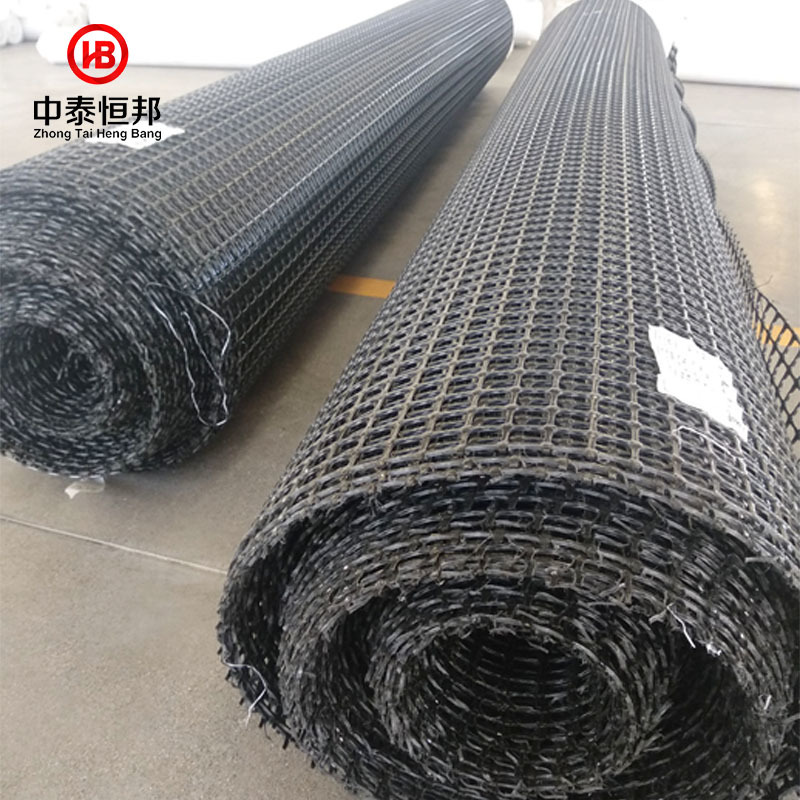
It is composed of bidirectional reinforced strips combined through an innovative manufacturing process. Thanks to the product's surface, which has been embossed into a regular, coarse pattern, when laid over the compacted fill material, it effectively resists significant tensile stresses and generates substantial friction against the surrounding soil. This, in turn, collectively restrains shear deformation of the foundation soil, preventing lateral挤压 and uplift. Moreover, due to the high stiffness of the reinforced soil mat, it promotes efficient diffusion of the load from the upper foundation structure, distributing it more evenly across the underlying soft soil layers—thereby significantly enhancing the overall bearing capacity of the foundation. Additionally, the presence of the reinforced soil mat boosts the overall rigidity of the foundation within the compaction zone, making it easier to control and optimize ground deformation. High-strength geogrids are created by combining high-strength steel wires (or other fibers), which have undergone special treatment, with polyethylene (PE) or polypropylene (PP), along with additional additives. This mixture is then extruded to form a composite, high-tensile strip featuring a textured, rough surface. These individual strips can subsequently be woven or interleaved in both longitudinal and transverse directions at precise intervals. The intersection points are then welded together using a specialized, reinforced bonding technique—specifically, a fusion welding method—to produce the final high-strength geogrid structure.
2. It is composed of bidirectional reinforced strips combined through an innovative manufacturing process. Thanks to the product's surface, which has been embossed into a regular, coarse pattern, when laid over the compacted fill material, it effectively resists significant tensile stresses and generates substantial friction against the surrounding soil. This, in turn, collectively restrains shear deformation of the foundation soil, preventing lateral挤压 and uplift. Moreover, due to the high stiffness of the reinforced soil mat, it promotes efficient diffusion of the load from the upper foundation structure, distributing it more evenly across the underlying soft soil layers—thereby significantly enhancing the overall bearing capacity of the foundation. Additionally, the presence of the reinforced soil mat boosts the overall rigidity of the foundation within the compaction zone, making it easier to control and optimize ground deformation. It is a grid structure made of polypropylene as the base material, treated with antistatic and flame-retardant technologies, and then formed using a biaxial stretching method. Its performance characteristics are as follows:
1. Friction does not easily generate static electricity. In the environment of coal mine shafts, the average surface resistance of plastic mesh consistently remains below 1 x 10^9.2 ohms.
2. Exhibits excellent flame-retardant performance. In an open-flame environment, it melts but does not burn—indeed, if ignited, it will extinguish within 10 seconds after the flame is removed.
3. Strong corrosion resistance, preventing aging.
4. Easy to construct and transport: The plastic mesh is relatively flexible, preventing workers from being accidentally cut during construction. Additionally, it’s easy to roll, bundle, cut to size, and lightweight—making it convenient for underground transportation, carrying, and on-site installation.
5. Easy to wash coal with. This plastic mesh has a density between 0.89 and 0.91, which is lower than that of water. During the coal-washing process, the broken mesh strips float on the water, making them easy to rinse away.
6. The plastic mesh, after undergoing both compression and stretching processes, exhibits strong load-bearing capacity in both longitudinal and transverse directions. Its molecular structure is effectively realigned, resulting in a tensile strength that is 2 to 3 times greater than the material’s original strength before stretching. The interlocking "ribs" and "supports" formed during bidirectional stretching create a robust, interconnected network that efficiently distributes applied pressure outward through the nodes, significantly enhancing the overall compressive resistance of the mesh. This design also minimizes the risk of rib or support failure under stress. Moreover, because this plastic mesh is produced via bidirectional stretching rather than weaving, it demonstrates minimal mesh deformation over time and maintains consistently uniform mesh dimensions. As a result, it effectively prevents loose coal fragments from falling through, ensuring enhanced safety for underground workers as well as the smooth and uninterrupted operation of mine carts.
1. It enhances the stability of embankments, effectively preventing issues such as sliding, landslides, and settlement. Additionally, it ensures that the load applied to the upper structure is evenly distributed throughout the soil layers. In other words, when soft soil foundations are subjected to overlying loads that could potentially lead to shear failure, the geogrid acts as a barrier, inhibiting the formation of failure surfaces and thereby significantly improving the foundation's load-bearing capacity. Moreover, when the geogrid encounters concentrated stress, its high-modulus, bidirectional plastic geogrid from Qianjiang District, Chongqing, generates lateral forces upon deformation, which help redistribute and neutralize part of the applied load. This mechanism not only boosts the foundation's overall load-carrying capacity but also allows for a faster loading rate on the subgrade, ultimately shortening construction timelines.
2. You effectively enhance the foundation's load-bearing capacity. Since heavy machinery tends to sink into soft ground sections, it becomes difficult to properly compact the embankment fill. However, after installing a sand cushion layer combined with bidirectional plastic geogrids in Chongqing’s Qianjiang District, construction equipment like rollers can now safely operate on the surface. Typically, when building embankments on untreated soft soil foundations, varying degrees of "springy" behavior occur within certain fill heights, making it challenging to achieve proper compaction and resulting in poor surface smoothness. After laying the geogrids, though, their confining effect significantly improves the compaction process, ensuring a uniformly smooth and stable surface.
3. It is composed of bidirectional reinforced strips combined through an innovative manufacturing process. Thanks to the product's surface, which has been embossed into a regular, coarse pattern, when laid over the compacted fill material, it effectively resists significant tensile stresses and generates substantial friction against the surrounding soil. This, in turn, collectively restrains shear deformation of the foundation soil, preventing lateral挤压 and uplift. Moreover, due to the high stiffness of the reinforced soil mat, it promotes efficient diffusion of the load from the upper foundation structure, distributing it more evenly across the underlying soft soil layers—thereby significantly enhancing the overall bearing capacity of the foundation. Additionally, the presence of the reinforced soil mat boosts the overall rigidity of the foundation within the compaction zone, making it easier to control and optimize ground deformation. While enhancing the bearing capacity and stability of the foundation, it also effectively mitigates uneven settlement, enabling a quicker reduction in differential settlement across the subgrade. The geogrid and gravel layers together form a composite cushion with significantly higher stiffness than the underlying soft soil, redistributing the loads applied from above. Additionally, their excellent permeability and drainage capabilities help balance the stress distribution within the foundation, accelerating the consolidation process of the soft soil under water pressure. This, in turn, promotes uniform settlement of the embankment, ensuring a smooth and level road surface.
4. When constructing embankments on a foundation that transitions from soft to hard, incorporating geogrids can more effectively ensure the safety of the embankment during construction and accelerate the process of achieving balanced settlement and stability. On such foundations, uneven settlement differences can lead to cracking or even instability in the subgrade. However, thanks to the load-distribution properties of the bidirectional plastic geogrids used in Chongqing’s Qianjiang District, the entire cross-section remains evenly supported, preventing these issues.
ZHONGTAI HENGBANG Engineering Technology Co., Ltd. is a comprehensive service provider integrating engineering consulting and design, material R&D and manufacturing, as well as operations and maintenance. With robust technical expertise and strong R&D capabilities, our products are specifically tailored for critical applications in areas such as hydraulic infrastructure projects, transportation infrastructure initiatives, and environmental protection fields like urban waste management and the safe containment of hazardous industrial solid waste. The company boasts advanced production lines sourced from Germany, Italy, Denmark, Belgium, Switzerland, and other countries, adhering to stringent quality management systems and rigorous testing standards. We are equipped with state-of-the-art equipment capable of evaluating key performance characteristics—including tensile strength, creep resistance, UV resistance, water permeability, flame retardancy, anti-static properties, chemical corrosion resistance, and oxidation stability—ensuring superior product quality. Furthermore, ZHONGTAI HENGBANG has successfully obtained certifications such as CRCC, ISO 9001, ISO 14001, OHSAS 18000, and MA certificates, along with favorable test reports from China’s Ministry of Railways and Ministry of Water Resources, the EU CE certification, and approvals from specialized laboratories in Russia, Australia, the United States, and other regions. We are dedicated to delivering top-quality geosynthetic materials and unparalleled services for projects spanning a wide range of industries, including reinforced soil retaining walls, soft ground stabilization, land reclamation and seawall construction/maintenance, hydraulic engineering, slope remediation and ecological restoration, road construction, and mining projects.
Latest Updates
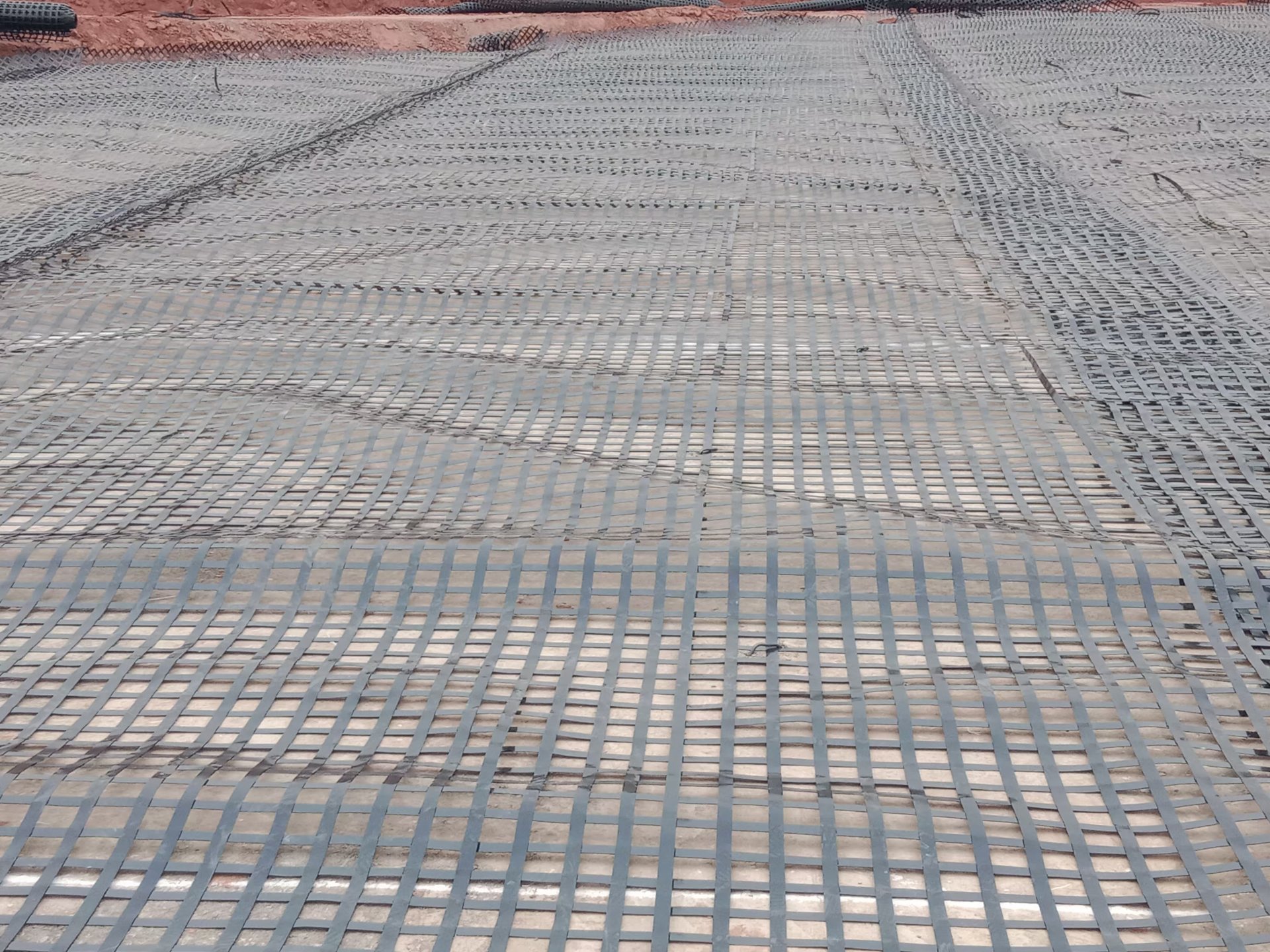
ZHONGTAI HENGBANGPET Polyester Welded Geogrid Advantages
Relying on independent innovation and technological expertise, Taihengbang Engineering Technology Co., Ltd. has achieved groundbreaking progress in the geosynthetics field. The company’s newly developed and produced PET polyester-welded geogrids, backed by multiple core patented technologies, have set a high-standard industry benchmark. Built on high-strength polyester materials and crafted through advanced precision welding techniques, these geogrids feature a robust, stable mesh structure, delivering exceptional performance in terms of tensile strength, durability, and environmental adaptability.
Jingzhe | Spring thunder rumbles, and all things grow.
Around March 5, the first spring thunder begins to rumble, rousing hibernating insects and snakes from their winter slumber. Peach blossoms start to peek out on the branches, and the earth softens as new buds emerge.
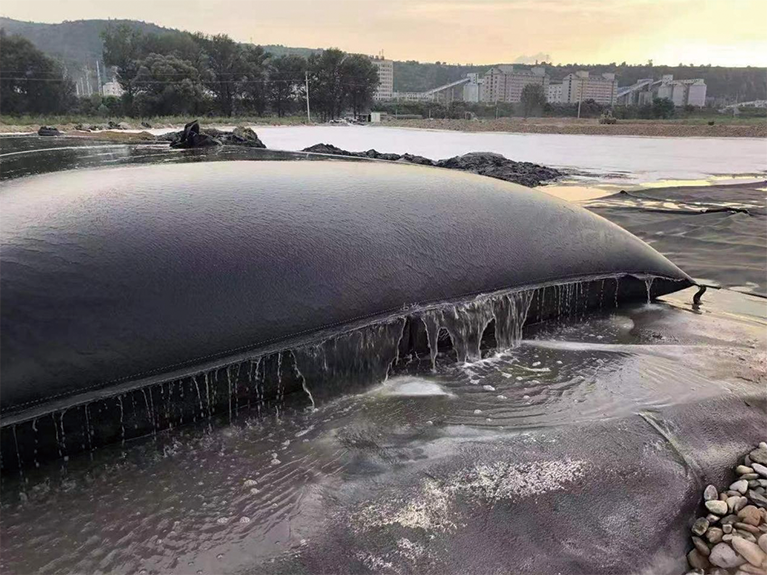
Geotube: A sludge dewatering tool—your eco-friendly engineering ally
A geotube is a tubular bag made by sewing together high-strength geotextile fabric. Utilizing the natural principle of gravity filtration, it removes water from sludge, effectively separating mud from water.

February 2, Dragon Raises Head: A Forgotten Spring Festival Celebration
On the second day of the second lunar month, spring returns to the earth, and all things awaken from their winter slumber. On this day—gradually fading from modern memory—lies one of the deepest cultural codes of the Chinese nation. The "Dragon Rises" is not just a seasonal marker; it’s also a spiritual totem for the Chinese people—a cherished legacy of our agricultural civilization.
Construction Plan for Laying and Welding of Composite Geomembranes
Construction Plan for Laying and Welding of Composite Geomembranes
Introduction to Drainage and Waterproofing Sheets
Introduction to Drainage and Waterproofing Sheets
ZHONGTAI HENGBANG Technology Co., Ltd.
Address: East Section of Zhongtianmen Avenue, Tai'an High-tech Zone, Shandong Province
Service Hotline