

-
About UsZHONGTAI HENGBANG Engineering Technology Co., Ltd. is located in the Academician Entrepreneurship Base of Tai'an National High-Tech Industrial Development Zone, Shandong Province. The company is a comprehensive service provider specializing in engineering consulting and design, materials R&D and manufacturing, as well as operations and maintenance. With strong technical expertise and robust R&D capabilities, its products are primarily applied in critical areas such as water conservancy infrastructure projects, transportation infrastructure initiatives, and environmental protection solutions for isolating and preventing leakage from urban waste and highly hazardous industrial solid waste.

-
ProductsZHONGTAI HENGBANG Engineering Technology Co., Ltd. boasts production lines sourced from countries including Germany, Italy, Denmark, Belgium, and Switzerland, adhering to rigorous quality management systems and testing standards. We are equipped with advanced testing equipment capable of evaluating tensile strength, creep resistance, UV protection, water permeability, flame retardancy, antistatic properties, chemical corrosion resistance, and oxidation performance.
-
Application CasesThe product is primarily used in hydraulic infrastructure projects, transportation infrastructure projects, and environmental protection applications—including the isolation and impermeability of municipal waste and highly hazardous industrial solid waste.
-
BlogPrioritizing technological advancement and innovation, our company is committed to fulfilling user needs to the fullest extent possible.
Analysis of Construction Techniques and Key Considerations for Completing the Installation of Zhejiang Fiberglass Geogrids
Release date:
2020-10-14
Zhejiang Jinhua Fiberglass Geogrid As a new type of material commonly used in modern foundations, it is primarily manufactured through the polymerization and processing of high-molecular polymers such as polyester fibers, polyamide fibers, and polypropylene fibers. Zhejiang Jinhua Fiberglass Geogrid High modulus, lightweight, excellent toughness, corrosion resistance, and long service life—combined with high tensile strength, low elongation, no long-term creep, outstanding physicochemical stability, superior thermal stability, resistance to fatigue cracking, excellent resistance to high-temperature rutting, and exceptional tolerance to low-temperature shrinkage cracks, while also effectively delaying and reducing reflective cracking. These properties make it particularly outstanding in reinforcing pavement structures, which is why Zhejiang Jinhua Fiberglass Geogrid Its applications are widely popular; this article is primarily based on Zhejiang Jinhua Fiberglass Geogrid Brief introduction to the material properties and construction techniques Zhejiang Jinhua Fiberglass Geogrid Construction Process Management and Control Procedure.

1. Zhejiang Jinhua Fiberglass Geogrid Material properties:
Zhejiang Jinhua Fiberglass Geogrid Primarily used to reinforce weak soil layers, it is commonly applied for strengthening railway ballast or reinforced earth retaining walls. When subjected to external forces, Zhejiang Jinhua Fiberglass Geogrid By applying a tiny displacement*, sufficient stress can be generated, thereby increasing its tensile strength.
1. Kang has strong transformative abilities
Zhejiang Jinhua Fiberglass Geogrid It is primarily produced using glass fibers as the raw material, which enables it to exhibit high tensile strength even under small strains, while also maintaining excellent deformation resistance. Zhejiang Jinhua Fiberglass Geogrid Its primary material is fiberglass, which ensures that it won’t exhibit creep under prolonged loading. Additionally, its excellent resistance to deformation guarantees that the product’s characteristics remain intact over extended periods.
2. Strong overall structural stability
Zhejiang Jinhua Fiberglass Geogrid The primary working principle involves using nodes and ribs to provide reinforcement and load-bearing points for the foundation or solid medium requiring stabilization. These nodes and ribs play a crucial role in ground improvement, primarily aimed at preventing localized stress that could lead to subgrade damage. The mesh-like fiberglass geogrid from Jinhua, Zhejiang, enhances the soil's shear strength, significantly improving the overall structural stability. Additionally, the grid structure helps minimize differential settlement between embankments while also promoting drainage and accelerating consolidation.
3. Kang sliding effect
Zhejiang Jinhua Fiberglass Geogrid Its coefficient of friction is around 0.8, allowing it to mix effectively with common subgrade materials like stone and concrete, thereby efficiently preventing separation and misalignment caused by insufficient friction and enhancing its anti-slip performance. Meanwhile, the fiberglass geogrid from Jinhua, Zhejiang, forms a strong bond with asphalt, ensuring that every fiber is thoroughly coated for optimal adhesion. Zhejiang Jinhua Fiberglass Geogrid It also does not separate from the asphalt mixture within the asphalt layer. With its high roughness and increased friction, the anti-slip effect is particularly noticeable.
4. Chemically stable
Zhejiang Jinhua Fiberglass Geogrid Its working conditions dictate that its chemical properties must be stable, exhibiting excellent resistance to acids, alkalis, oils, and other chemicals. After undergoing a special treatment, Zhejiang Jinhua Fiberglass Geogrid Its physical and chemical properties will be significantly enhanced, and it will also be able to adapt to climate change, ensuring that performance remains unaffected even under extremely harsh climatic conditions. At the same time, Zhejiang Jinhua Fiberglass Geogrid Lightweight, easy to install, requiring low maintenance costs, and highly resistant to aging—this material can maintain excellent load-bearing performance for up to 120 years.
5. Filtration effect
A wealth of research data indicates that using Zhejiang Jinhua Fiberglass Geogrid Treating soft soil foundations can effectively enhance their load-bearing capacity. Most Zhejiang Jinhua Fiberglass Geogrid Under unidirectional seepage, fine-grained layers in the soil gradually migrate toward the filtration layer, with smaller particles washing away while larger ones remain behind, thereby creating a distinct separation between the filter layer and Zhejiang Jinhua Fiberglass Geogrid Between them, a skeletal band and a filtering band are spontaneously formed, which enables Zhejiang Jinhua Fiberglass Geogrid The entire, fully functional filtration system formed within the soil layers ensures that the foundation remains intact, even in the face of external climatic factors like rainfall.
II. Construction Process for Jiangsu Jinhua Fiberglass Geogrids
Before construction begins, supervisors and workers must first compact and level the ground, removing any sharp protrusions or debris that could interfere with the construction process. During the laying phase, the higher-strength direction should be oriented perpendicular to the road’s central axis. As the material is laid, ensure it is properly tensioned and stretched to prevent wrinkles, potholes, and distortions.
The grating should be laid along the primary direction of load, and ideally, joints should be avoided. Overlaps between individual grates must be manually tied together using wire, with each overlap extending at least 20 cm in width. Additionally, the overlapping sections should be secured with wire ties, and every *specified distance along the transverse direction of the subgrade, nails must be used to anchor the grating firmly in place.
At Zhejiang Jinhua Fiberglass Geogrid When laying the material to a depth of two layers or more, ensure that each layer is staggered, and simultaneously adjust the overall straightness of the grid. After backfilling with the upper layer of soil, first tighten the grid thoroughly, then immediately use machinery to crush and flatten large soil clumps—this process should be carried out based on the grid's load-bearing conditions.
After the grating is laid, select graded crushed stone and spread it to a thickness of about 3 mm. Typically, construction machinery is used to transport the crushed stone piles to the side of the roadbed, after which a bulldozer gradually builds up the material layer by layer, moving from one side to the other during the process. Importantly, construction equipment must not operate on areas where no crushed stone has been applied. Zhejiang Jinhua Fiberglass Geogrid Stay in place, ensuring the surface remains smooth and free of bumps.
Laid out completely Zhejiang Jinhua Fiberglass Geogrid , manual labor is required to lay the upper layer of fill material. Extensive data analyzed by supervisory personnel indicate that while materials with poorer mechanical properties can still be used as fillers, soil types like gravel and sand exhibit superior stability and are less susceptible to external influences—making them the preferred choice for the upper layer in most cases. The particle size of the fill material should remain below 15 cm, and proper gradation must be carefully maintained during the placement of the upper layer to ensure optimal compaction weight. Once laid, the material should then be mechanically leveled and compacted. It’s crucial to note that the upper layer of fill must be promptly rolled after placement; exposure to air should not exceed 48 hours, and prolonged direct sunlight should be avoided altogether.
Precautions after paving completion:
Construction-Completed Zhejiang Jinhua Fiberglass Geogrid , it is essential to avoid any damage caused by improper operation of construction machinery. During the construction process, regular inspections by supervisors are required to promptly identify hidden issues, followed by timely repairs tailored to the specific situation.
During the subgrade construction process, overlap width must be预留. However, in practice, workers often overlook this issue—overly long overlaps lead to material waste, while insufficient or no overlap at all can result in Zhejiang Jinhua Fiberglass Geogrid It doesn't work—you can't meet the required performance standards.
Through the on-site construction supervision and summary, it was found that Zhejiang Jinhua Fiberglass Geogrid Unstable paving and excessively long installation times can both compromise the quality of the process, as external factors like weather, vehicles, and even pedestrians can significantly impact workmanship. If the installation isn’t secure, accidentally lifting the grating may require complete re-paving—resulting not only in a failure to meet construction standards but also in wasted time, labor, and resources.
Supervision work frequently reveals that construction personnel are careless. Zhejiang Jinhua Fiberglass Geogrid Laying in the opposite direction of the applied force not only fails to achieve the desired operational effect but also reduces efficiency, leading to unnecessary waste of labor and materials. Therefore, during their work, supervisory personnel must remind construction teams that adhering to the correct installation sequence is crucial—even when it seems less critical at first glance. Zhejiang Jinhua Fiberglass Geogrid Causing damage.
Zhejiang Jinhua Fiberglass Geogrid Construction technology is steadily becoming more mature, and thanks to its application and development over the past few years, it’s gaining wider acceptance among more people. Compared to traditional techniques, Zhejiang Jinhua Fiberglass Geogrid With numerous technical and economic advantages, while also delivering significant social benefits, Zhejiang Jinhua fiberglass geogrids stand out for their cost-effectiveness, ease of installation, short construction timelines, reliable quality, and proven technology. Especially now—and increasingly in the future—projects are being undertaken in more remote areas characterized by highly complex geological and topographical conditions. As a result, in this field, Zhejiang Jinhua Fiberglass Geogrid With vast development prospects, the clear economic and social benefits demonstrate that Zhejiang Jinhua Fiberglass Geogrid Worth promoting vigorously in the future.
ZHONGTAI HENGBANG Engineering Technology Co., Ltd. is a comprehensive service provider integrating engineering consulting and design, material R&D and manufacturing, as well as operations and maintenance. With robust technical expertise and strong R&D capabilities, our products are prominently applied in critical areas such as water conservancy infrastructure projects, transportation infrastructure initiatives, and environmental protection fields like urban waste management and the safe isolation and impermeability of hazardous industrial solid wastes. The company boasts advanced production lines sourced from Germany, Italy, Denmark, Belgium, Switzerland, and other countries, adhering to stringent quality management systems and rigorous testing standards. We are equipped with state-of-the-art equipment capable of evaluating key properties—including tensile strength, creep resistance, UV resistance, permeability, flame retardancy, anti-static performance, chemical corrosion resistance, and oxidation stability—ensuring top-tier product quality. Furthermore, our enterprise has successfully obtained certifications such as CRCC, ISO 9001, ISO 14001, OHSAS 18000, and MA certificates, along with inspection reports from China’s Ministry of Railways and Ministry of Water Resources, the EU CE certification, and approvals from specialized laboratories in Russia, Australia, the U.S., and other relevant regions. We are dedicated to delivering the highest-quality geosynthetic materials and the most comprehensive services for projects spanning retaining walls reinforced with soil, soft ground stabilization, land reclamation and embankment construction/maintenance, hydraulic engineering, slope remediation and landscaping, road construction, and mining projects.
Consultation Phone: 13953856388
Contact: Mr. Zhang
Latest Updates
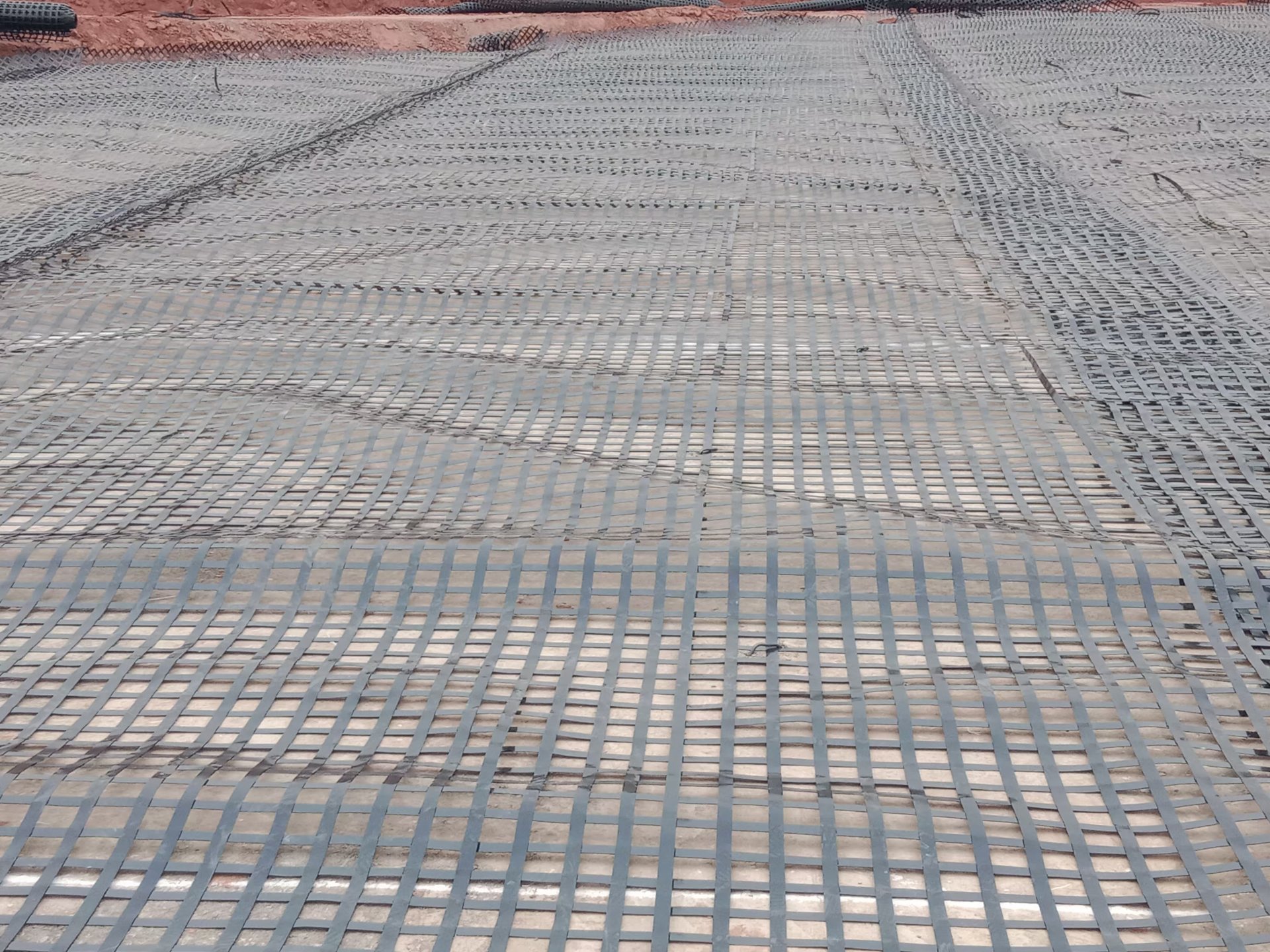
ZHONGTAI HENGBANGPET Polyester Welded Geogrid Advantages
Relying on independent innovation and technological expertise, Taihengbang Engineering Technology Co., Ltd. has achieved groundbreaking progress in the geosynthetics field. The company’s newly developed and produced PET polyester-welded geogrids, backed by multiple core patented technologies, have set a high-standard industry benchmark. Built on high-strength polyester materials and crafted through advanced precision welding techniques, these geogrids feature a robust, stable mesh structure, delivering exceptional performance in terms of tensile strength, durability, and environmental adaptability.
Jingzhe | Spring thunder rumbles, and all things grow.
Around March 5, the first spring thunder begins to rumble, rousing hibernating insects and snakes from their winter slumber. Peach blossoms start to peek out on the branches, and the earth softens as new buds emerge.
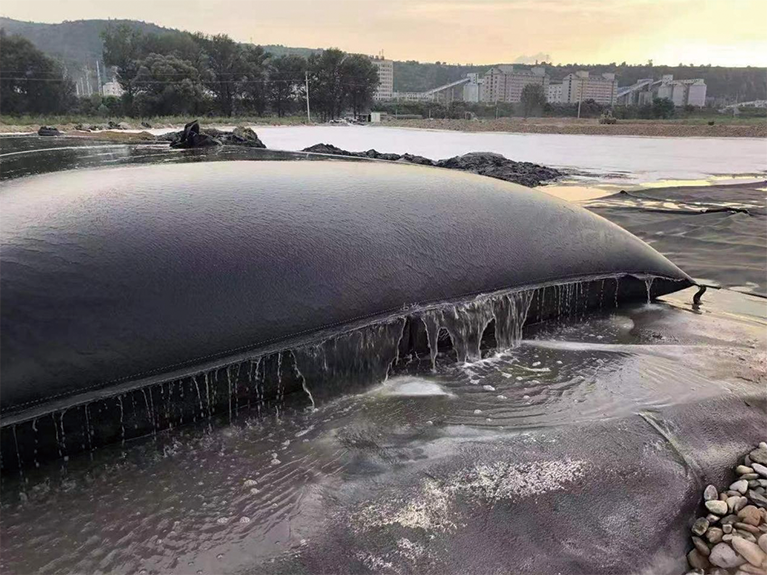
Geotube: A sludge dewatering tool—your eco-friendly engineering ally
A geotube is a tubular bag made by sewing together high-strength geotextile fabric. Utilizing the natural principle of gravity filtration, it removes water from sludge, effectively separating mud from water.

February 2, Dragon Raises Head: A Forgotten Spring Festival Celebration
On the second day of the second lunar month, spring returns to the earth, and all things awaken from their winter slumber. On this day—gradually fading from modern memory—lies one of the deepest cultural codes of the Chinese nation. The "Dragon Rises" is not just a seasonal marker; it’s also a spiritual totem for the Chinese people—a cherished legacy of our agricultural civilization.

Construction Plan for Laying and Welding of Composite Geomembranes
Construction Plan for Laying and Welding of Composite Geomembranes
Introduction to Drainage and Waterproofing Sheets
Introduction to Drainage and Waterproofing Sheets
ZHONGTAI HENGBANG Technology Co., Ltd.
Address: East Section of Zhongtianmen Avenue, Tai'an High-tech Zone, Shandong Province
Service Hotline