

-
About UsZHONGTAI HENGBANG Engineering Technology Co., Ltd. is located in the Academician Entrepreneurship Base of Tai'an National High-Tech Industrial Development Zone, Shandong Province. The company is a comprehensive service provider specializing in engineering consulting and design, materials R&D and manufacturing, as well as operations and maintenance. With strong technical expertise and robust R&D capabilities, its products are primarily applied in critical areas such as water conservancy infrastructure projects, transportation infrastructure initiatives, and environmental protection solutions for isolating and preventing leakage from urban waste and highly hazardous industrial solid waste.

-
ProductsZHONGTAI HENGBANG Engineering Technology Co., Ltd. boasts production lines sourced from countries including Germany, Italy, Denmark, Belgium, and Switzerland, adhering to rigorous quality management systems and testing standards. We are equipped with advanced testing equipment capable of evaluating tensile strength, creep resistance, UV protection, water permeability, flame retardancy, antistatic properties, chemical corrosion resistance, and oxidation performance.
-
Application CasesThe product is primarily used in hydraulic infrastructure projects, transportation infrastructure projects, and environmental protection applications—including the isolation and impermeability of municipal waste and highly hazardous industrial solid waste.
-
BlogPrioritizing technological advancement and innovation, our company is committed to fulfilling user needs to the fullest extent possible.
Analysis and Mitigation of Water Ingress in Tunnel Construction: Practical Application of Waterproof Membranes in Guizhou Tunnels
Release date:
2020-10-13
(1) Strengthen both surface and groundwater drainage systems. For shallow tunnels affected by abundant surface water—particularly when surface depressions, gullies, and standing water significantly impact tunnel operations—implement measures such as diverting and channeling runoff, filling in low-lying areas, and constructing drainage ditches to establish an effective surface-water drainage network. For tunnels heavily influenced by groundwater, consider adding extra drainage channels: either by converting single-sided side ditches into double-sided ones or by deepening existing ones. In longer tunnels experiencing exceptionally high water inflows, if internal drainage systems alone are insufficient to efficiently remove surface and groundwater entering the tunnel, it may be necessary to install parallel pilot tunnels to enhance drainage efficiency. In extremely cold regions, groundwater seeping through the tunnel lining can freeze upon contact with cooler air, forming icicles hanging from the arch or ice columns clinging to sidewalls, as well as ice mounds accumulating on the track bed. Such ice formations not only encroach on clearance limits and compromise train operation safety but also exert substantial pressure due to freezing expansion, potentially leading to damage or detachment of the tunnel lining. To address these challenges in cold climates, it is crucial to install specialized anti-freeze drainage tunnels positioned below the maximum frost line, ensuring robust management of water-related hazards in these environments.

The main causes of tunnel water damage:
1. Design issues.
1. The uncertainty of seepage water within the tunnel leads to less targeted approaches for waterproofing and drainage. Tunnel designs rely on limited geological drilling, resulting in insufficient engineering and hydrogeological data. This makes it difficult to accurately identify the locations of fault zones and fractured zones that the tunnel passes through. As a result, designers often resort to standard templates without incorporating tailored reinforcement strategies. Consequently, even though water-rich strata occur only in specific sections of the tunnel, improper management could still pose significant risks to the entire structure.
2. In the linked arch tunnel, a low, concave groove formed at the top of the central wall creates a water-collecting area, leading to tunnel leakage.
3. Settlement cracks have developed, causing the waterproofing board to tear, which in turn makes pavement water infiltration more likely in the Wu arch section.
4. At locations where the tunnel cross-section changes—such as shafts, inclined shafts, and pedestrian passages intersecting the main tunnel—the quality of waterproofing membrane installation is often difficult to ensure, leading to water leakage in the tunnel.
II. Construction Issues.
1. Guizhou Anshun Tunnel Waterproof Membrane The fixation, enabling Guizhou Anshun Tunnel Waterproof Membrane Its integrity has been compromised.
2. During the second lining concrete pouring, the blind pipes are easily crushed, leading to poor water flow.
3. Sharp objects on the sprayed concrete surface can easily lead to Guizhou Anshun Tunnel Waterproof Membrane Piercing.
4. Guizhou Anshun Tunnel Waterproof Membrane The overlapping sections fail to achieve a tight, watertight seal.
5. Due to construction techniques and the waterproofing membrane itself, it is difficult to hang the drainage boards inside the tunnel, making it nearly impossible to achieve a tight fit against the surrounding rock.
What are some practical and effective methods for addressing tunnel water damage?
It requires a combination of interception, blockage, and drainage—tailored to local conditions—for comprehensive management. The commonly used methods are:
(1) Strengthen the drainage of both surface and groundwater. For shallow tunnels with abundant surface water, when surface depressions, gullies, and pooling water significantly impact the tunnel, implement measures such as diverting and channeling runoff, filling in low-lying areas, and constructing drainage ditches to establish an effective surface-water drainage system. For tunnels heavily influenced by groundwater, consider adding additional drainage channels—either converting single-sided side ditches into double-sided ones or deepening existing ones. In longer tunnels experiencing particularly high water inflows, if internal drainage systems alone cannot efficiently remove surface and groundwater entering the tunnel, it may be necessary to install parallel pilot tunnels for enhanced drainage. In extremely cold regions, groundwater seeping through the tunnel lining can freeze upon contact with cooler air, forming icicles hanging from the arch or ice columns clinging to sidewalls, as well as ice mounds accumulating on the track bed. Such ice formations not only encroach on clearance limits and compromise行车安全 (train operation safety) but also exert significant pressure due to freezing expansion, potentially leading to damage or detachment of the tunnel lining. To address these challenges in cold climates, it is essential to install specialized anti-freeze drainage tunnels positioned below the maximum frost line, ensuring effective management of water-related hazards in these environments.
(2) Grouting for Water Stopping: Grouting material requirements include: ① Excellent injectability; ② Controllable setting time, with ideally abrupt solidification; ③ High strength of the cured material, excellent impermeability, strong adhesion, slight micro-expansion, and outstanding durability; ④ Wide availability of materials at low cost; ⑤ Simple construction process; ⑥ Non-toxic and environmentally friendly, causing no pollution to the environment.
(3) Add an Internal Waterproof Layer While the internal waterproof layer cannot prevent water from entering the lining, it can effectively stop water from flowing into the tunnel.
(4) Consider the tunnel structure and its waterproofing and drainage systems comprehensively. In the case of twin-arch tunnels, selecting an appropriate middle-wall shape and support configuration can effectively prevent water leakage. For instance, adopting an inverted arch support with a top wall that remains unbackfilled proves more effective for drainage compared to a top-supported middle wall where the top is backfilled.
(5) Waterproofing and drainage should be considered comprehensively, with different methods tailored to various tunnel types. For example, mountain tunnels prioritize drainage combined with sealing, while underwater tunnels and urban metro tunnels rely more heavily on sealing, often employing a combination of sealing and drainage techniques. From the perspective of waterproofing design and construction guidelines, it’s essential to ensure high-quality waterproofing from the outset—focusing primarily on effective drainage to prevent future issues. Tunnels constructed using the New Austrian Tunneling Method (NATM) invariably feature composite linings, complete with an intermediate waterproof layer. In areas prone to water ingress, careful water management is implemented through strategic drainage systems. Meanwhile, in sections where water pressure is minimal, only a waterproof membrane is laid. Importantly, the thickness of the waterproof membrane selected may vary depending on the specific hydrological conditions of the site.
ZHONGTAI HENGBANG Engineering Technology Co., Ltd. is a comprehensive service provider integrating engineering consulting and design, material R&D and manufacturing, as well as operations and maintenance. With robust technical expertise and strong R&D capabilities, our products are prominently applied in critical environmental protection fields such as hydraulic infrastructure projects, transportation infrastructure initiatives, and the isolation and impermeability solutions for urban waste and hazardous industrial solid waste management. The company boasts advanced production lines sourced from Germany, Italy, Denmark, Belgium, Switzerland, and other countries, adhering to stringent quality management systems and rigorous testing standards. We are equipped with state-of-the-art equipment capable of evaluating key performance characteristics—including tensile strength, creep resistance, UV resistance, water permeability, flame retardancy, anti-static properties, chemical corrosion resistance, and oxidation stability—ensuring that every product meets the highest industry benchmarks. Furthermore, our enterprise has successfully obtained certifications such as CRCC, ISO 9001, ISO 14001, OHSAS 18000, and MA approval. We also hold track-and-waterway department and Ministry of Water Resources test reports, along with the prestigious EU CE certification, as well as approvals from specialized laboratories in Russia, Australia, the United States, and other relevant regions. Committed to delivering top-tier geosynthetic materials and unparalleled service, we proudly support projects spanning areas like reinforced soil retaining walls, soft ground stabilization, land reclamation cofferdams and their maintenance, hydraulic engineering, slope remediation and ecological restoration, road construction, and mining projects.
Consultation Phone: 13953856388
Contact: Mr. Zhang
Latest Updates
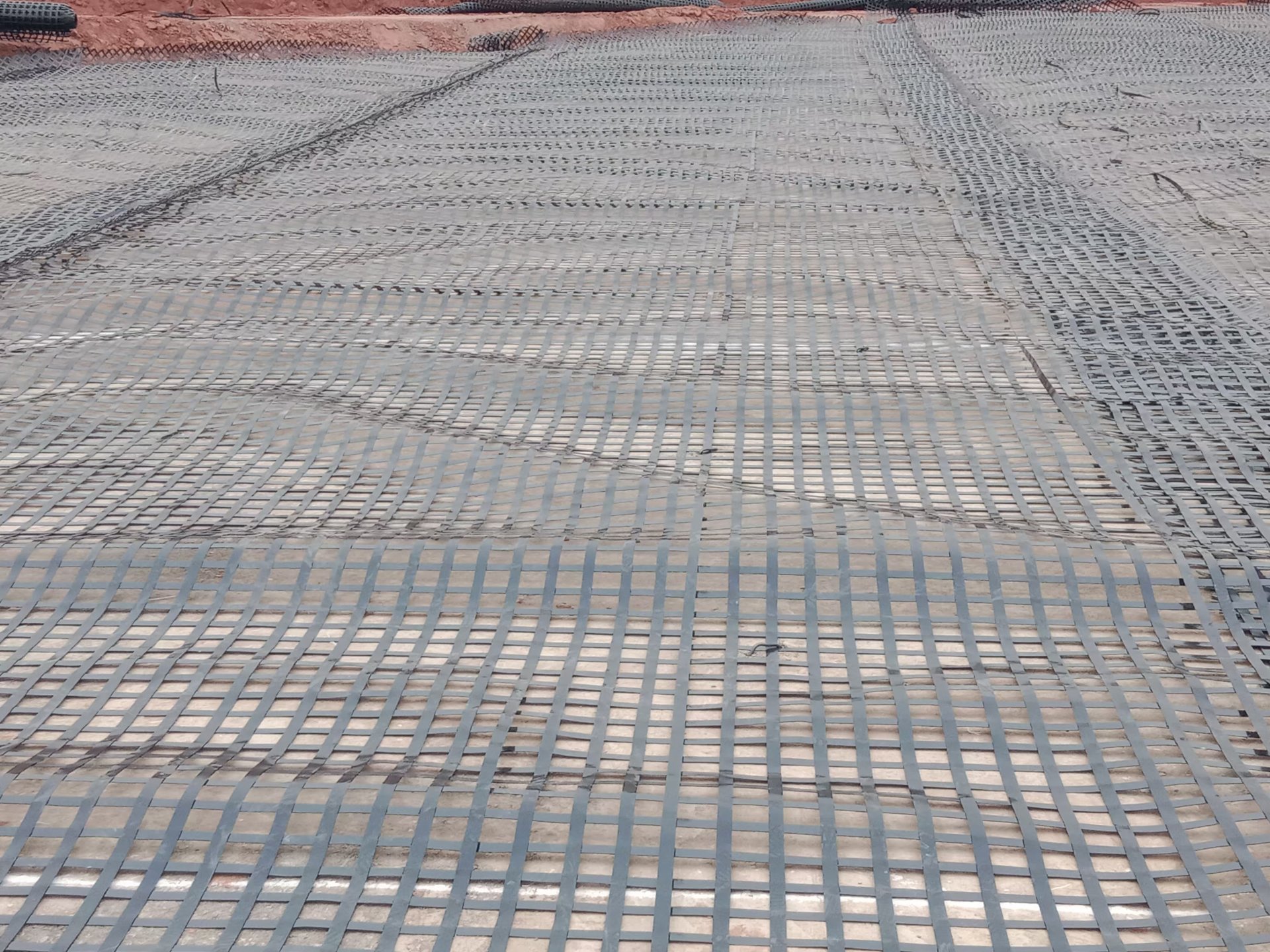
ZHONGTAI HENGBANGPET Polyester Welded Geogrid Advantages
Relying on independent innovation and technological expertise, Taihengbang Engineering Technology Co., Ltd. has achieved groundbreaking progress in the geosynthetics field. The company’s newly developed and produced PET polyester-welded geogrids, backed by multiple core patented technologies, have set a high-standard industry benchmark. Built on high-strength polyester materials and crafted through advanced precision welding techniques, these geogrids feature a robust, stable mesh structure, delivering exceptional performance in terms of tensile strength, durability, and environmental adaptability.
Jingzhe | Spring thunder rumbles, and all things grow.
Around March 5, the first spring thunder begins to rumble, rousing hibernating insects and snakes from their winter slumber. Peach blossoms start to peek out on the branches, and the earth softens as new buds emerge.
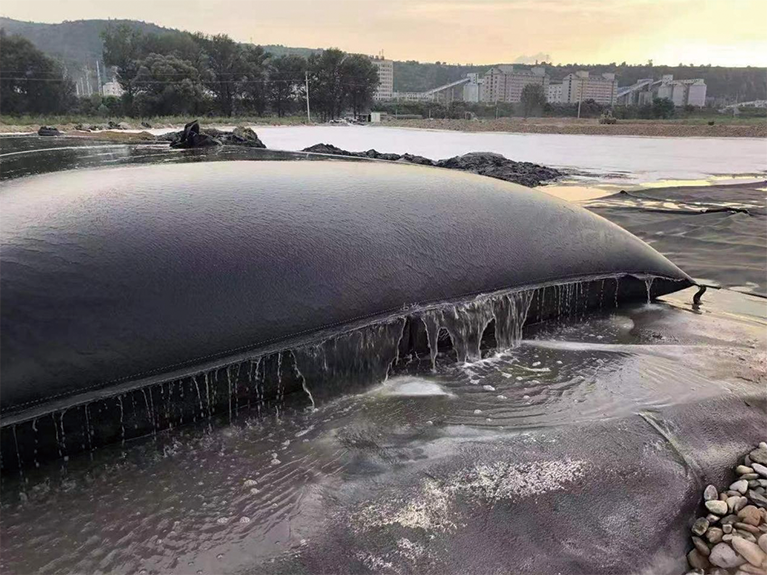
Geotube: A sludge dewatering tool—your eco-friendly engineering ally
A geotube is a tubular bag made by sewing together high-strength geotextile fabric. Utilizing the natural principle of gravity filtration, it removes water from sludge, effectively separating mud from water.
February 2, Dragon Raises Head: A Forgotten Spring Festival Celebration
On the second day of the second lunar month, spring returns to the earth, and all things awaken from their winter slumber. On this day—gradually fading from modern memory—lies one of the deepest cultural codes of the Chinese nation. The "Dragon Rises" is not just a seasonal marker; it’s also a spiritual totem for the Chinese people—a cherished legacy of our agricultural civilization.
Construction Plan for Laying and Welding of Composite Geomembranes
Construction Plan for Laying and Welding of Composite Geomembranes
Introduction to Drainage and Waterproofing Sheets
Introduction to Drainage and Waterproofing Sheets
ZHONGTAI HENGBANG Technology Co., Ltd.
Address: East Section of Zhongtianmen Avenue, Tai'an High-tech Zone, Shandong Province
Service Hotline