

-
About UsZHONGTAI HENGBANG Engineering Technology Co., Ltd. is located in the Academician Entrepreneurship Base of Tai'an National High-Tech Industrial Development Zone, Shandong Province. The company is a comprehensive service provider specializing in engineering consulting and design, materials R&D and manufacturing, as well as operations and maintenance. With strong technical expertise and robust R&D capabilities, its products are primarily applied in critical areas such as water conservancy infrastructure projects, transportation infrastructure initiatives, and environmental protection solutions for isolating and preventing leakage from urban waste and highly hazardous industrial solid waste.

-
ProductsZHONGTAI HENGBANG Engineering Technology Co., Ltd. boasts production lines sourced from countries including Germany, Italy, Denmark, Belgium, and Switzerland, adhering to rigorous quality management systems and testing standards. We are equipped with advanced testing equipment capable of evaluating tensile strength, creep resistance, UV protection, water permeability, flame retardancy, antistatic properties, chemical corrosion resistance, and oxidation performance.
-
Application CasesThe product is primarily used in hydraulic infrastructure projects, transportation infrastructure projects, and environmental protection applications—including the isolation and impermeability of municipal waste and highly hazardous industrial solid waste.
-
BlogPrioritizing technological advancement and innovation, our company is committed to fulfilling user needs to the fullest extent possible.
Construction Steps for Installing Hubei Fiberglass Geogrids in Paddy Fields and Wetland Areas
Release date:
2020-10-10
With the advancement of reinforcement technology and the continuous refinement of geosynthetic reinforcement theories, new types of geogrid materials are constantly emerging. Hubei Wuhan Fiberglass Geogrid Its emergence has played a significant role in advancing the development of various types of road surfaces. Now, let me introduce you to the process of paving in paddy fields and wetland areas. Hubei Wuhan Fiberglass Geogrid The construction steps.

1. Dredging
Remove all the silt within the subgrade area to the length, width, and depth specified in the design documents, and dispose of it at the slope toe as a counterweight protection embankment.
2. Backfill with gravel
After dredging, level the dredged area and backfill with natural sand and gravel to 20 cm above the original ground level. When compacting the gravel layer with a roller, avoid overemphasizing compaction but ensure uniformity, smoothness, and density throughout.
3. Smoothly Lay the Surface
After the compaction of the gravel layer has passed both self-inspection and random sampling checks, proceed with leveling. Hubei Wuhan Fiberglass Geogrid Paving surface.
4. Laying fiberglass geogrids in Wuhan, Hubei
Because Hubei Wuhan Fiberglass Geogrid The tensile strength in the longitudinal length direction is greater than that in the transverse width direction; therefore, when laying the geogrid, its length direction should be oriented perpendicular to the roadbed direction. First, anchor one end using U-shaped nails, then proceed with tensioning before securing the other end. Hubei Wuhan Fiberglass Geogrid The overlapping length must be no less than 20 cm, and the connection points should be securely tied with steel wire. After installation, the surface must remain flat and free of any unevenness or buckling, with seams tightly joined and perfectly aligned without any misalignment.
5. Feeding and Leveling
Hubei Wuhan Fiberglass Geogrid After laying it out, use the top-down loading method to fill in the weathered sand, with a bulldozer working alongside manual labor to achieve proper leveling. The loose-laying thickness should not exceed 30 cm.
6. Compaction
After the bulldozer performs rough grading, a motor grader carries out fine leveling to ensure the cross slope reaches 2%–4% and the longitudinal profile remains smooth. Meanwhile, before rolling begins, it’s crucial to carefully manage the moisture content of the subgrade fill material. If the material is too dry, water trucks should be used to spray it evenly. Rolling can only commence once the material has reached its optimal moisture level. During compaction, start with one pass using a static roller, followed by progressively faster passes—first slow, then gradually increasing speed—and transition from mild to full vibration. On straight sections, roll from both sides toward the center; on longitudinal sections, use a back-and-forth method, ensuring each pass overlaps by about half the wheel width. Finally, compact edges of the subgrade and areas near bridge abutments or culvert backs with small, specialized tampers, making sure no spots are left un-compacted and that there are no dead zones.
ZHONGTAI HENGBANG Engineering Technology Co., Ltd. is a comprehensive service provider integrating engineering consulting and design, materials R&D and manufacturing, as well as operations and maintenance. The company boasts strong technical expertise and robust R&D capabilities, with products that set new standards in the industry. middle The product is applied in environmental protection fields such as hydraulic infrastructure projects, transportation infrastructure engineering, and the isolation and anti-seepage of urban waste as well as hazardous industrial solid waste. The company boasts advanced production lines from countries including Germany, Italy, Denmark, Belgium, and Switzerland, adhering to rigorous quality management systems and testing standards, and is equipped with most Advanced tensile strength, creep, Kang Testing equipment for ultraviolet resistance, water permeability, flame retardancy, antistatic properties, chemical corrosion resistance, and oxidation tests. The company has separately obtained CRCC 、ISO9001、ISO14001、OHSAS18000、 MA Certificate, Tie Ministry of Railways, Ministry of Water Resources Inspection Report , European Union CE Certificate, e Ross, Australia, the United States, and related areas transfer Including laboratory testing services, we provide expertise in areas such as geosynthetic reinforced earth retaining walls, soft ground stabilization, reclamation and maintenance of land reclamation projects, hydraulic engineering, slope stabilization and landscaping, as well as road construction and mining engineering projects. most Excellent zhi Geosynthetic products and most Comprehensive services.
Consultation Phone: 13953856388
United System Person: Mr. Zhang
Latest Updates
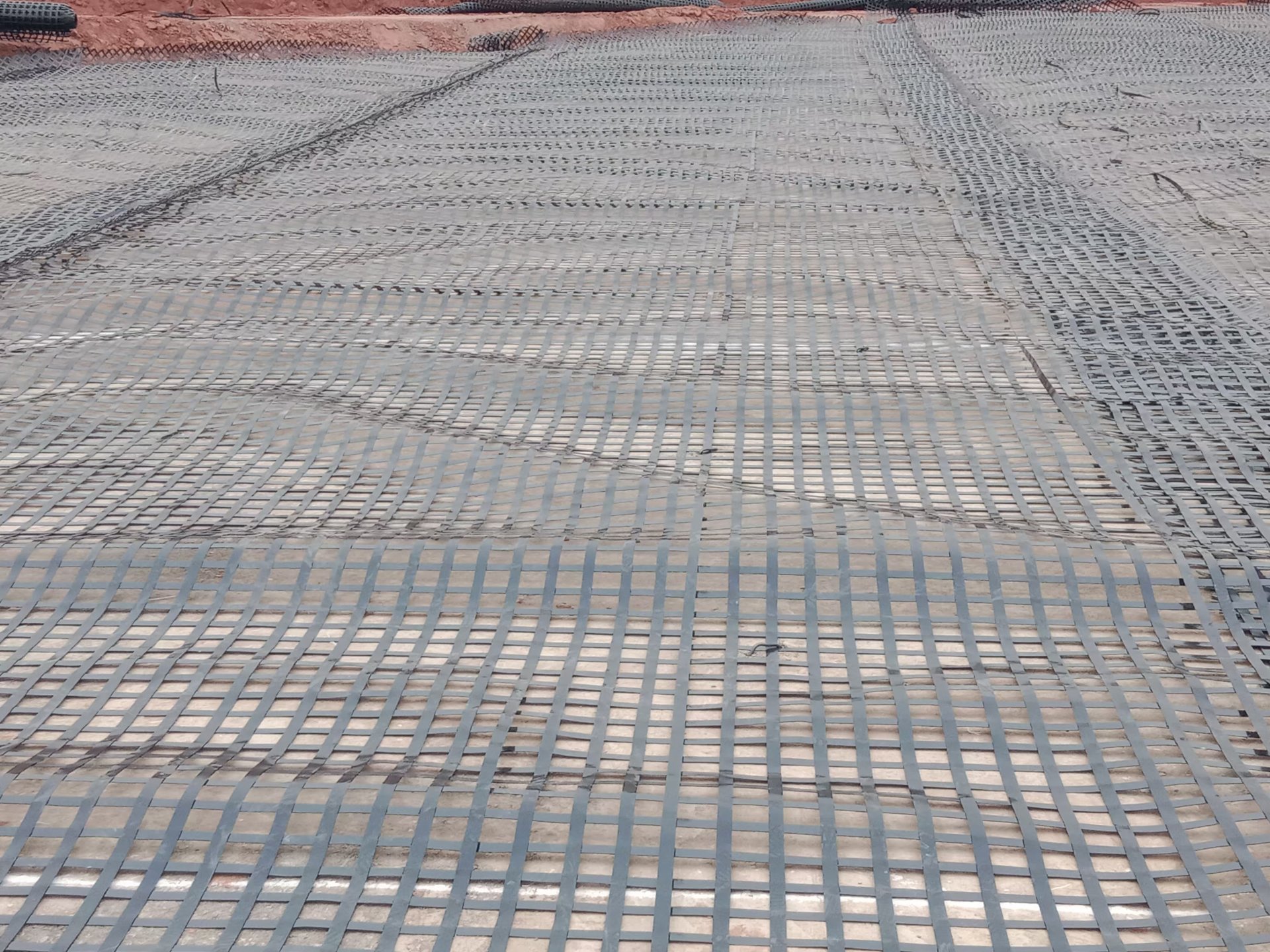
ZHONGTAI HENGBANGPET Polyester Welded Geogrid Advantages
Relying on independent innovation and technological expertise, Taihengbang Engineering Technology Co., Ltd. has achieved groundbreaking progress in the geosynthetics field. The company’s newly developed and produced PET polyester-welded geogrids, backed by multiple core patented technologies, have set a high-standard industry benchmark. Built on high-strength polyester materials and crafted through advanced precision welding techniques, these geogrids feature a robust, stable mesh structure, delivering exceptional performance in terms of tensile strength, durability, and environmental adaptability.
Jingzhe | Spring thunder rumbles, and all things grow.
Around March 5, the first spring thunder begins to rumble, rousing hibernating insects and snakes from their winter slumber. Peach blossoms start to peek out on the branches, and the earth softens as new buds emerge.
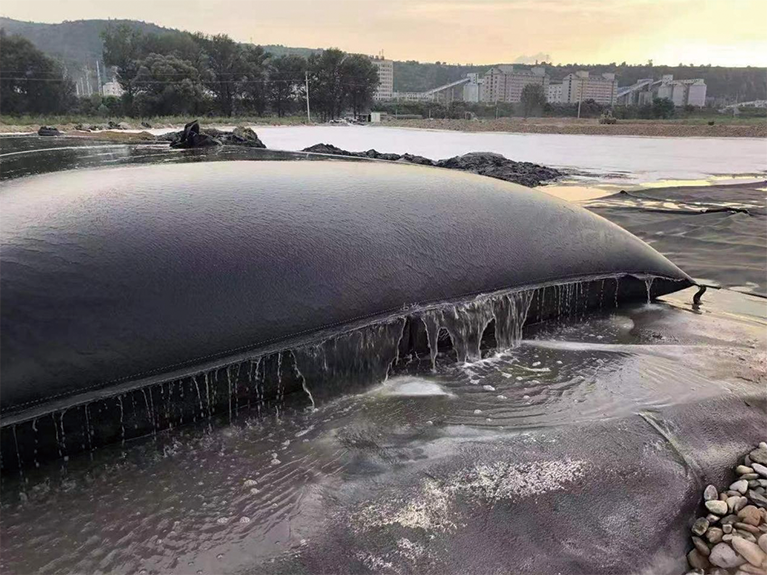
Geotube: A sludge dewatering tool—your eco-friendly engineering ally
A geotube is a tubular bag made by sewing together high-strength geotextile fabric. Utilizing the natural principle of gravity filtration, it removes water from sludge, effectively separating mud from water.
February 2, Dragon Raises Head: A Forgotten Spring Festival Celebration
On the second day of the second lunar month, spring returns to the earth, and all things awaken from their winter slumber. On this day—gradually fading from modern memory—lies one of the deepest cultural codes of the Chinese nation. The "Dragon Rises" is not just a seasonal marker; it’s also a spiritual totem for the Chinese people—a cherished legacy of our agricultural civilization.
Construction Plan for Laying and Welding of Composite Geomembranes
Construction Plan for Laying and Welding of Composite Geomembranes
Introduction to Drainage and Waterproofing Sheets
Introduction to Drainage and Waterproofing Sheets
ZHONGTAI HENGBANG Technology Co., Ltd.
Address: East Section of Zhongtianmen Avenue, Tai'an High-tech Zone, Shandong Province
Service Hotline