

-
About UsZHONGTAI HENGBANG Engineering Technology Co., Ltd. is located in the Academician Entrepreneurship Base of Tai'an National High-Tech Industrial Development Zone, Shandong Province. The company is a comprehensive service provider specializing in engineering consulting and design, materials R&D and manufacturing, as well as operations and maintenance. With strong technical expertise and robust R&D capabilities, its products are primarily applied in critical areas such as water conservancy infrastructure projects, transportation infrastructure initiatives, and environmental protection solutions for isolating and preventing leakage from urban waste and highly hazardous industrial solid waste.

-
ProductsZHONGTAI HENGBANG Engineering Technology Co., Ltd. boasts production lines sourced from countries including Germany, Italy, Denmark, Belgium, and Switzerland, adhering to rigorous quality management systems and testing standards. We are equipped with advanced testing equipment capable of evaluating tensile strength, creep resistance, UV protection, water permeability, flame retardancy, antistatic properties, chemical corrosion resistance, and oxidation performance.
-
Application CasesThe product is primarily used in hydraulic infrastructure projects, transportation infrastructure projects, and environmental protection applications—including the isolation and impermeability of municipal waste and highly hazardous industrial solid waste.
-
BlogPrioritizing technological advancement and innovation, our company is committed to fulfilling user needs to the fullest extent possible.
Someone’s already fallen for it! Here are the key points you *must* follow when waterproofing during tunnel construction!
Release date:
2020-10-05
From bridges to highways and tunnels, drainage has always been a top priority in construction projects. It not only affects the stability and quality of the project after completion but, in tunnels, even plays a critical role in ensuring the safety of construction workers. To guarantee the project’s safety and stability, let’s dive into the tunnel drainage construction techniques together today!
I. Factors Contributing to Tunnel Leakage
1) The waterproof membrane behind the secondary lining is damaged and thus cannot fully perform its water-barrier function;
2) Deviations or damage in the installation of the circumferential construction joint waterstop for secondary lining can lead to reduced waterproofing performance.
3) Inadequate local compaction of concrete compromises waterproofing;
4) The drainage channel is blocked by chemical deposits from groundwater;
5) Construction joints are present at the bottom of the tunnel side drains.
II. Principles of Tunnel Waterproofing and Drainage Construction
Building upon traditional drainage and waterproofing techniques (based on design), this method was developed through research, introducing a new integrated approach that combines segmented drainage, zone-based pressure reduction, and side-channel seepage control for enhanced drainage and waterproofing performance.
1) Segmented drainage (drilling holes in the initial support surface and installing drainage strips to allow water accumulated behind the secondary lining to be individually channeled into the tunnel side ditches, preventing cross-flow that could cause leakage).
2) Zone depressurization (installing pressure-relief pipes within the central drainage channel to allow accumulated water from the tunnel floor to drain into the tunnel’s central channel, thereby resolving water leakage issues at the inverted arch construction joints);
3) Sidewall ditch seepage control (ditch bottom elevation is lower than the fill surface, with a waterstop installed at the longitudinal joint; purpose: to address leakage issues at the tunnel sidewall ditch base).
Here are the key points that must be addressed during tunnel construction waterproofing:
1. Segmented Drainage
Drill circumferential holes into the initial lining surface of the arch wall, drilling down to the bedrock to create drainage channels. Next, install several drainage blind pipes at the hole openings, and finally connect these blind pipes to the lateral drainage ditch, forming a continuous drainage pathway. The circumferential drainage belts then independently channel the accumulated water behind the lining—divided into distinct sections—toward the lateral drainage ditch. If the lateral ditch becomes overloaded, excess water is further diverted via the trackbed drainage pipes into the central drainage ditch, which ultimately discharges the water outside the tunnel.
2. Zone-Based Decompression
Drainage pipes are installed at intervals along the longitudinal direction of the tunnel within the central drainage channel, extending deep into the channel itself. The lower ends of these pre-embedded pipes sequentially pass through the inverted arch fill, inverted arch lining, and initial support structure of the inverted arch, creating a dedicated drainage pathway between the tunnel’s central drainage channel and the bedrock surface beneath the tunnel floor. This system efficiently channels and discharges accumulated water from the tunnel floor directly into the central drainage channel.
3. Sidewall Drainage Seepage Control
During the construction of the inverted arch filling layer, the bottom elevations of the side ditches within the tunnel are lowered below the top surface of the inverted arch filling layer. Expansion-type waterstops are then installed along the longitudinal construction joints between the top surface of the filling and the bottom of the tunnel side ditches.

Shanxi Linfen EVA Waterproof Board Features of railway-specific waterproof membranes:
1. Shanxi Linfen EVA Waterproof Board Nai exhibits excellent resistance to acids, bases, and various chemicals, with good dimensional stability and strong adhesion, making it easy to work with.
2, Shanxi Linfen EVA Waterproof Board It features good isolation and puncture resistance;
3, Shanxi Linfen EVA Waterproof Board Leak-proof and isolating—free from chemical contamination;
4. Shanxi Linfen EVA Waterproof Board Excellent flexibility, impermeability, elongation, and abrasion resistance.
ZHONGTAI HENGBANG Engineering Technology Co., Ltd. is a comprehensive service provider integrating engineering consulting and design, material R&D and manufacturing, as well as operations and maintenance. With robust technical expertise and strong R&D capabilities, our products are prominently applied in critical areas such as water conservancy infrastructure projects, transportation infrastructure initiatives, and environmental protection fields like urban waste management and the safe isolation and impermeability of hazardous industrial solid wastes. The company boasts advanced production lines sourced from Germany, Italy, Denmark, Belgium, Switzerland, and other countries, all operating under stringent quality management systems and rigorous testing standards. We are equipped with state-of-the-art equipment capable of evaluating key properties—including tensile strength, creep resistance, UV resistance, permeability, flame retardancy, antistatic performance, chemical corrosion resistance, and oxidation stability—ensuring that every product meets the highest industry benchmarks. Furthermore, our enterprise has successfully obtained certifications such as CRCC, ISO 9001, ISO 14001, OHSAS 18000, and MA certificates, along with inspection reports from China’s Ministry of Railways and Ministry of Water Resources, the EU CE certification, and approvals from specialized laboratories in Russia, Australia, the U.S., and other regions. We are dedicated to delivering top-quality geosynthetic materials and unparalleled services for a wide range of projects, including reinforced earth retaining walls, soft ground stabilization, land reclamation and dike maintenance, hydraulic engineering, slope remediation and landscaping, road construction, and mining projects.
Consultation Phone: 13953856388
Contact: Mr. Zhang
Latest Updates
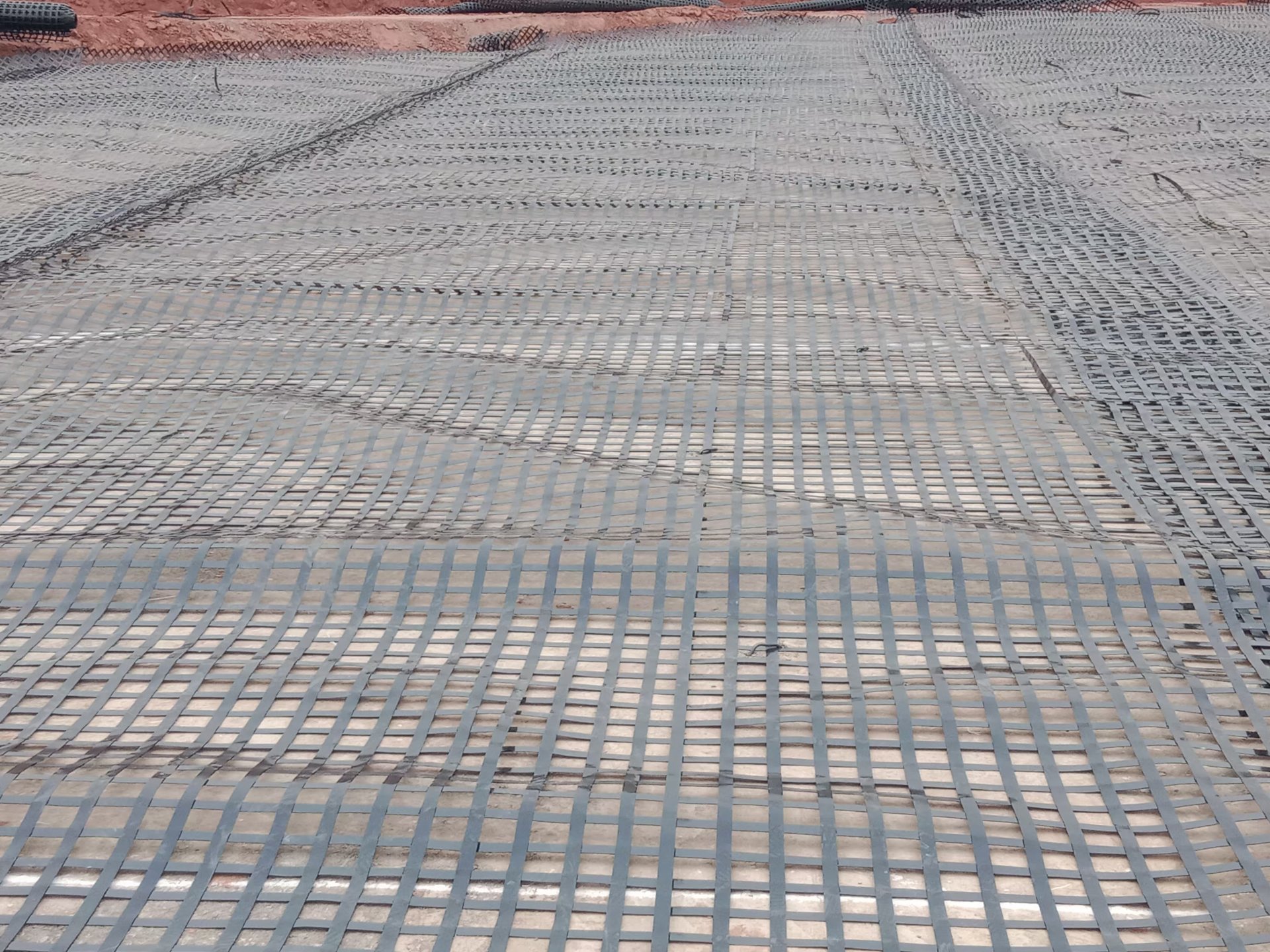
ZHONGTAI HENGBANGPET Polyester Welded Geogrid Advantages
Relying on independent innovation and technological expertise, Taihengbang Engineering Technology Co., Ltd. has achieved groundbreaking progress in the geosynthetics field. The company’s newly developed and produced PET polyester-welded geogrids, backed by multiple core patented technologies, have set a high-standard industry benchmark. Built on high-strength polyester materials and crafted through advanced precision welding techniques, these geogrids feature a robust, stable mesh structure, delivering exceptional performance in terms of tensile strength, durability, and environmental adaptability.
Jingzhe | Spring thunder rumbles, and all things grow.
Around March 5, the first spring thunder begins to rumble, rousing hibernating insects and snakes from their winter slumber. Peach blossoms start to peek out on the branches, and the earth softens as new buds emerge.
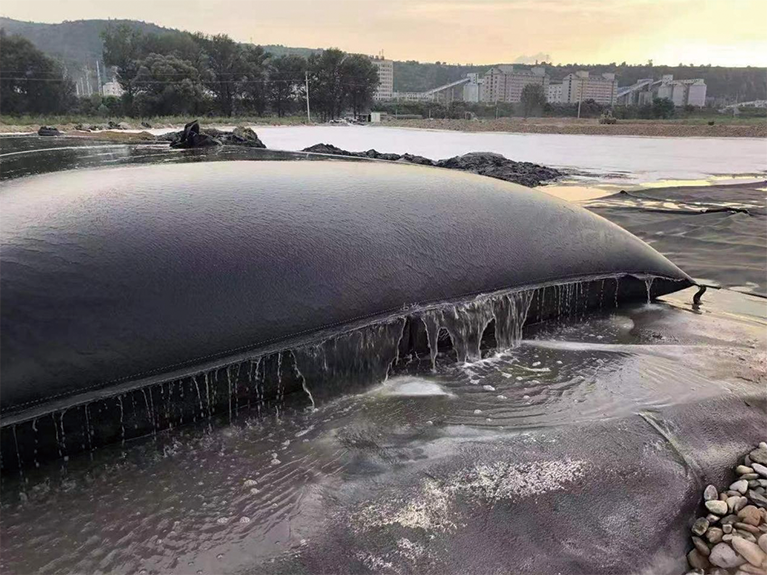
Geotube: A sludge dewatering tool—your eco-friendly engineering ally
A geotube is a tubular bag made by sewing together high-strength geotextile fabric. Utilizing the natural principle of gravity filtration, it removes water from sludge, effectively separating mud from water.
February 2, Dragon Raises Head: A Forgotten Spring Festival Celebration
On the second day of the second lunar month, spring returns to the earth, and all things awaken from their winter slumber. On this day—gradually fading from modern memory—lies one of the deepest cultural codes of the Chinese nation. The "Dragon Rises" is not just a seasonal marker; it’s also a spiritual totem for the Chinese people—a cherished legacy of our agricultural civilization.
Construction Plan for Laying and Welding of Composite Geomembranes
Construction Plan for Laying and Welding of Composite Geomembranes
Introduction to Drainage and Waterproofing Sheets
Introduction to Drainage and Waterproofing Sheets
ZHONGTAI HENGBANG Technology Co., Ltd.
Address: East Section of Zhongtianmen Avenue, Tai'an High-tech Zone, Shandong Province
Service Hotline