

-
About UsZHONGTAI HENGBANG Engineering Technology Co., Ltd. is located in the Academician Entrepreneurship Base of Tai'an National High-Tech Industrial Development Zone, Shandong Province. The company is a comprehensive service provider specializing in engineering consulting and design, materials R&D and manufacturing, as well as operations and maintenance. With strong technical expertise and robust R&D capabilities, its products are primarily applied in critical areas such as water conservancy infrastructure projects, transportation infrastructure initiatives, and environmental protection solutions for isolating and preventing leakage from urban waste and highly hazardous industrial solid waste.

-
ProductsZHONGTAI HENGBANG Engineering Technology Co., Ltd. boasts production lines sourced from countries including Germany, Italy, Denmark, Belgium, and Switzerland, adhering to rigorous quality management systems and testing standards. We are equipped with advanced testing equipment capable of evaluating tensile strength, creep resistance, UV protection, water permeability, flame retardancy, antistatic properties, chemical corrosion resistance, and oxidation performance.
-
Application CasesThe product is primarily used in hydraulic infrastructure projects, transportation infrastructure projects, and environmental protection applications—including the isolation and impermeability of municipal waste and highly hazardous industrial solid waste.
-
BlogPrioritizing technological advancement and innovation, our company is committed to fulfilling user needs to the fullest extent possible.
A Detailed Guide to the Definition, Functions, and Classification of Shanxi Waterproof Boards (Valuable Insights Shared)
Release date:
2020-09-23
In waterproofing projects, the three main materials commonly used for waterproof boards in Jinzhong, Shanxi, are EVA, PE, and PVC. Below, we’ll break them down and explain each in detail.
It is widely used in many large-scale facilities—such as swimming pools and golf courses—and also plays a critical role in drainage projects, as well as protective measures for gates and dams. Additionally, it’s essential in waterproofing applications for railways and tunnels. This type of waterproofing sheet boasts excellent impermeability, along with outstanding earthquake resistance, compression strength, and durability against aging and corrosion—features that set it apart. Moreover, the material is highly versatile, easy to weld, and can even be installed at extremely low ambient temperatures. Precisely because of these exceptional qualities, it has become a go-to solution across various industries. What’s more, it’s incredibly user-friendly: the installation process is straightforward and doesn’t require advanced technical skills, significantly reducing construction time. Finally, it places minimal demands on the construction environment, ensuring safe and efficient operations while maintaining high standards of overall construction safety throughout the project. Also known as Shanxi Jinzhong Geomembrane By convention, geomembranes with a thickness of ≥0.8 mm are referred to as waterproofing sheets, while those thinner than 0.8 mm are called geomembranes. These materials are fundamentally made from high-molecular polymers and serve as effective impermeable barriers. They come in two main types: homogeneous waterproofing sheets and composite waterproofing sheets. In addition to preventing liquid leakage, they also help contain gas emissions. As a result, these materials are widely used across various industries, including construction, transportation, subway systems, tunnels, and infrastructure projects.
1. Prevents liquid leakage and gas evaporation.
2. Waterproofing and isolation in rock engineering.
3. Strengthening and protective functions.

It is widely used in many large-scale facilities—such as swimming pools and golf courses—and also plays a critical role in drainage projects, as well as protective measures for gates and dams. Additionally, it’s essential in waterproofing applications for railways and tunnels. This type of waterproofing sheet boasts excellent impermeability, along with outstanding earthquake resistance, compression strength, and durability against aging and corrosion—features that set it apart. Moreover, the material is highly versatile, easy to weld, and can even be installed at extremely low ambient temperatures. Precisely because of these exceptional qualities, it has become a go-to solution across various industries. What’s more, it’s incredibly user-friendly: the installation process is straightforward and doesn’t require advanced technical skills, significantly reducing construction time. Finally, it places minimal demands on the construction environment, ensuring safe and efficient operations while maintaining high standards of overall construction safety throughout the project. Main application areas include seepage control for projects such as earth-rock dams, rockfill dams, masonry dams, concrete dams, tailings dams, sewage reservoir dams, canals, and storage ponds. It is also used for waterproofing linings in subways, basements, and tunnels, as well as for seepage prevention in foundations of highways and railways. Additionally, it is commonly employed in sanitary landfills, often combined with geotextiles like filament geotextiles and bentonite waterproofing blankets, among other geosynthetic materials.
In waterproofing work, It is widely used in many large-scale facilities—such as swimming pools and golf courses—and also plays a critical role in drainage projects, as well as protective measures for gates and dams. Additionally, it’s essential in waterproofing applications for railways and tunnels. This type of waterproofing sheet boasts excellent impermeability, along with outstanding earthquake resistance, compression strength, and durability against aging and corrosion—features that set it apart. Moreover, the material is highly versatile, easy to weld, and can even be installed at extremely low ambient temperatures. Precisely because of these exceptional qualities, it has become a go-to solution across various industries. What’s more, it’s incredibly user-friendly: the installation process is straightforward and doesn’t require advanced technical skills, significantly reducing construction time. Finally, it places minimal demands on the construction environment, ensuring safe and efficient operations while maintaining high standards of overall construction safety throughout the project. The three main materials commonly used are EVA, PE, and PVC. Below, we'll break them down for you in detail.
Shanxi Jinzhong PE Waterproof Membrane Primarily used for underground anti-corrosion and anti-seepage projects, this material is developed by re-formulating a standard waterproof membrane. It utilizes high-quality, low-pressure, high-density polyethylene as its base resin, combined with carefully balanced additives such as carbon black, anti-aging agents, antioxidants, UV absorbers, and stabilizers. The product is manufactured using the most advanced, fully automated geosynthetics production equipment available today, employing a three-layer co-extrusion process. This production line is highly automated, with every step—from order input and formulation to material feeding, processing, and quality monitoring—entirely controlled by computer systems. Operations are meticulously guided by scientifically derived data, ensuring precision and consistency throughout the manufacturing process. Moreover, the system allows for the simultaneous use of cutting-edge raw materials that boast exceptionally strong tensile strength. All products are produced in strict adherence to the U.S. ASTM D standards, meeting or exceeding national quality benchmarks. Available in a comprehensive range of specifications, including thicknesses from 0.2 mm to 2.5 mm and widths ranging from 1 m to 8 m, these membranes effectively address the anti-seepage and anti-corrosion needs of diverse applications, such as artificial lake liners, sewage treatment ponds, reservoirs, environmental protection initiatives, and even mining and chemical industry projects.
Shanxi Jinzhong EVA Waterproof Board It is widely used in many large-scale facilities—such as swimming pools and golf courses—and also plays a crucial role in drainage projects, as well as protective measures for gates and dams. Additionally, it’s essential in waterproofing applications for railways and tunnels. This type of waterproofing sheet boasts excellent impermeability, along with outstanding抗震 (earthquake resistance),抗压能力 (compression resistance), and durability against aging and corrosion—features that make it stand out. Moreover, the material is highly versatile, easy to weld, and can even be installed at extremely low ambient temperatures. Precisely because of these exceptional qualities, it has become a go-to solution across various industries. What’s more, it’s incredibly user-friendly: the installation process is straightforward and doesn’t require advanced technical skills, significantly cutting down on construction time. Finally, it places minimal demands on the construction environment, ensuring safe and efficient operations while maintaining high standards of an 全施工 (overall construction safety) throughout the project.
Shanxi Jinzhong PVC Waterproof Membrane This building waterproofing material is primarily made from chlorinated polyethylene resin, blended with plasticizers, fillers, antioxidants, UV absorbers, and other processing aids. PVC waterproof membranes are widely used in various fields—including civil construction, subways, tunnels, water conservancy projects, chemical industries, and metallurgy—for waterproofing, seepage control, and corrosion protection applications. PVC waterproof membranes boast numerous advantages: they exhibit excellent low-temperature flexibility, self-extinguishing properties when exposed to fire, and superior resistance to harmful chemicals and industrial pollutants. They also offer exceptional abrasion resistance, with seams seamlessly integrated through hot-air welding for a strong, durable bond. These membranes are highly reliable, maintaining long-term weldability while ensuring easy and efficient installation. Depending on the substrate conditions and project timelines, different construction techniques can be employed. Additionally, their high degree of formability makes them ideal for detailed application and repairs, all while keeping maintenance costs low. With a standard width of 2 meters, these materials minimize waste during installation, and their smooth, non-sticky surface resists dust accumulation, making them easy to clean. This design also promotes effective moisture vapor diffusion—allowing trapped humidity to escape without causing blistering. Furthermore, the membranes are highly resistant to ultraviolet rays and solar radiation, meeting the stringent requirements of green building certifications like LEED. As a result, they can be directly exposed outdoors without the need for additional protective layers, ensuring a service life of up to 25 years or more under optimal conditions.
ZHONGTAI HENGBANG Engineering Technology Co., Ltd. is a comprehensive service provider integrating engineering consulting and design, material R&D and manufacturing, as well as operations and maintenance. With robust technical expertise and strong R&D capabilities, our products are prominently applied in critical areas such as water conservancy infrastructure projects, transportation infrastructure initiatives, and environmental protection fields like urban waste management and the safe isolation and impermeability of hazardous industrial solid wastes. The company boasts advanced production lines sourced from Germany, Italy, Denmark, Belgium, Switzerland, and other countries, adhering to stringent quality management systems and rigorous testing standards. We are equipped with state-of-the-art equipment capable of evaluating key properties—including tensile strength, creep resistance, UV resistance, permeability, flame retardancy, antistatic performance, chemical corrosion resistance, and oxidation stability—ensuring superior product quality. Furthermore, our enterprise has successfully obtained certifications such as CRCC, ISO 9001, ISO 14001, OHSAS 18000, and MA certificates, along with inspection reports from the Ministry of Railways and the Ministry of Water Resources, the EU CE certification, and approvals from specialized laboratories in Russia, Australia, the United States, and other regions. We are dedicated to delivering top-quality geosynthetic materials and unparalleled services for a wide range of projects, including reinforced soil retaining walls, soft ground stabilization, land reclamation and embankment construction/maintenance, hydraulic engineering, slope remediation and ecological restoration, road construction, and mining projects.
Consultation Phone: 13953856388
Contact: Mr. Zhang
Latest Updates
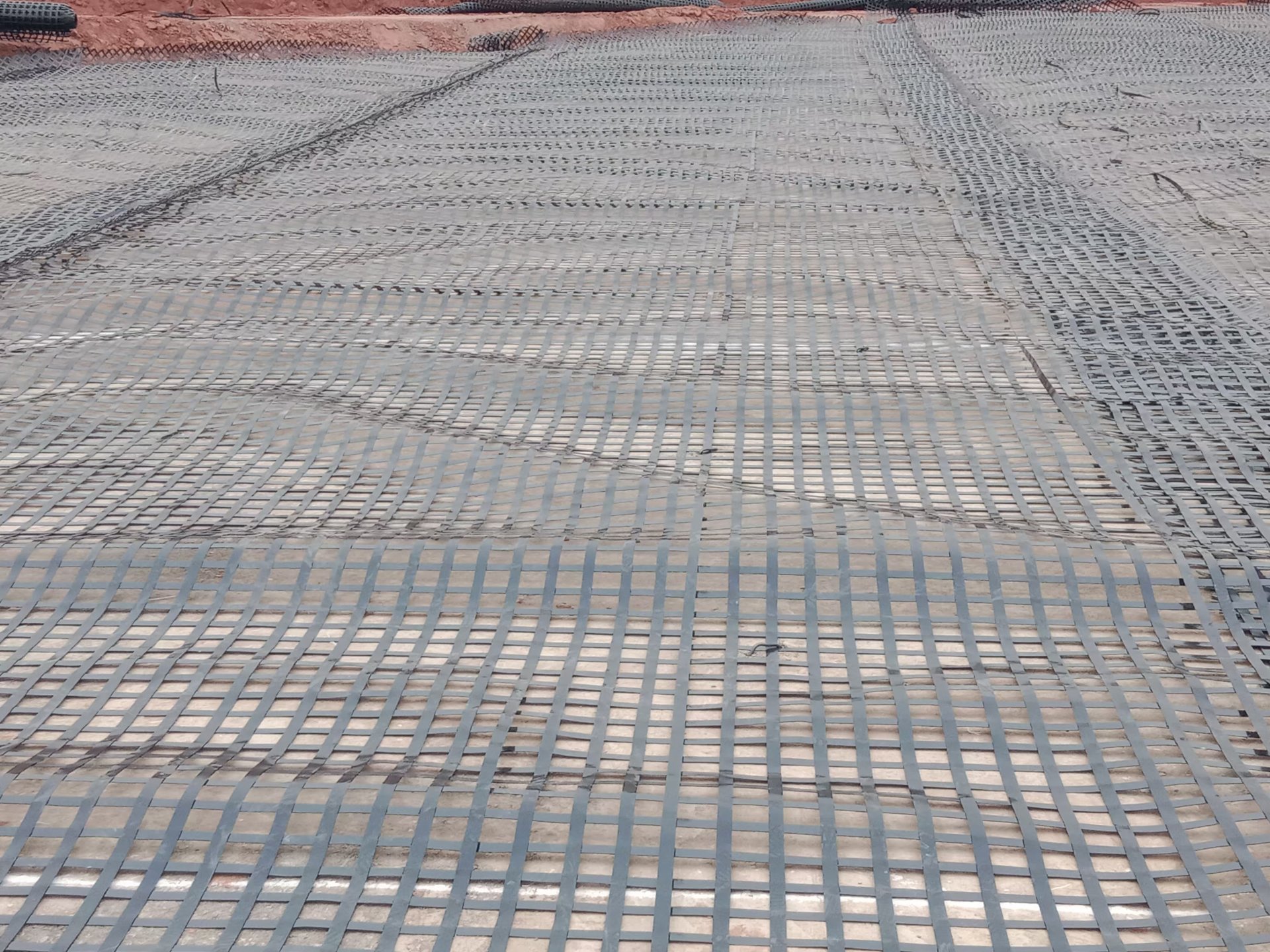
ZHONGTAI HENGBANGPET Polyester Welded Geogrid Advantages
Relying on independent innovation and technological expertise, Taihengbang Engineering Technology Co., Ltd. has achieved groundbreaking progress in the geosynthetics field. The company’s newly developed and produced PET polyester-welded geogrids, backed by multiple core patented technologies, have set a high-standard industry benchmark. Built on high-strength polyester materials and crafted through advanced precision welding techniques, these geogrids feature a robust, stable mesh structure, delivering exceptional performance in terms of tensile strength, durability, and environmental adaptability.
Jingzhe | Spring thunder rumbles, and all things grow.
Around March 5, the first spring thunder begins to rumble, rousing hibernating insects and snakes from their winter slumber. Peach blossoms start to peek out on the branches, and the earth softens as new buds emerge.
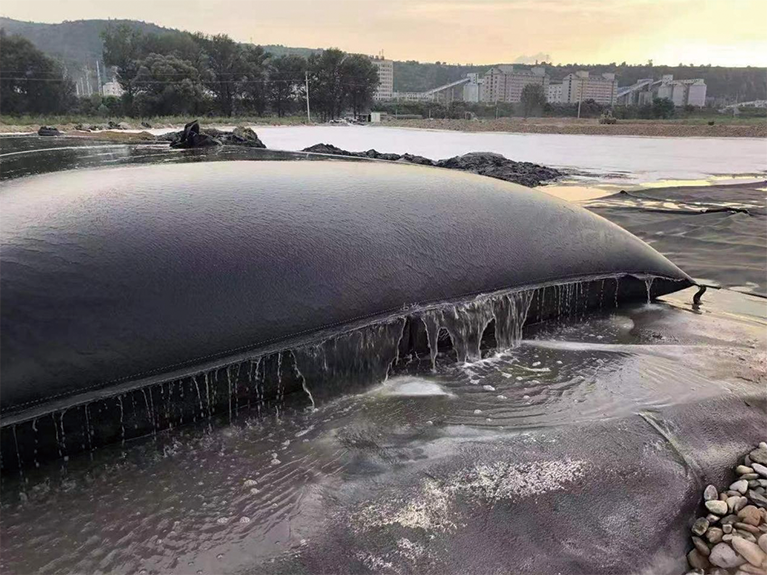
Geotube: A sludge dewatering tool—your eco-friendly engineering ally
A geotube is a tubular bag made by sewing together high-strength geotextile fabric. Utilizing the natural principle of gravity filtration, it removes water from sludge, effectively separating mud from water.
February 2, Dragon Raises Head: A Forgotten Spring Festival Celebration
On the second day of the second lunar month, spring returns to the earth, and all things awaken from their winter slumber. On this day—gradually fading from modern memory—lies one of the deepest cultural codes of the Chinese nation. The "Dragon Rises" is not just a seasonal marker; it’s also a spiritual totem for the Chinese people—a cherished legacy of our agricultural civilization.
Construction Plan for Laying and Welding of Composite Geomembranes
Construction Plan for Laying and Welding of Composite Geomembranes
Introduction to Drainage and Waterproofing Sheets
Introduction to Drainage and Waterproofing Sheets
ZHONGTAI HENGBANG Technology Co., Ltd.
Address: East Section of Zhongtianmen Avenue, Tai'an High-tech Zone, Shandong Province
Service Hotline