

-
About UsZHONGTAI HENGBANG Engineering Technology Co., Ltd. is located in the Academician Entrepreneurship Base of Tai'an National High-Tech Industrial Development Zone, Shandong Province. The company is a comprehensive service provider specializing in engineering consulting and design, materials R&D and manufacturing, as well as operations and maintenance. With strong technical expertise and robust R&D capabilities, its products are primarily applied in critical areas such as water conservancy infrastructure projects, transportation infrastructure initiatives, and environmental protection solutions for isolating and preventing leakage from urban waste and highly hazardous industrial solid waste.

-
ProductsZHONGTAI HENGBANG Engineering Technology Co., Ltd. boasts production lines sourced from countries including Germany, Italy, Denmark, Belgium, and Switzerland, adhering to rigorous quality management systems and testing standards. We are equipped with advanced testing equipment capable of evaluating tensile strength, creep resistance, UV protection, water permeability, flame retardancy, antistatic properties, chemical corrosion resistance, and oxidation performance.
-
Application CasesThe product is primarily used in hydraulic infrastructure projects, transportation infrastructure projects, and environmental protection applications—including the isolation and impermeability of municipal waste and highly hazardous industrial solid waste.
-
BlogPrioritizing technological advancement and innovation, our company is committed to fulfilling user needs to the fullest extent possible.
Detailed Explanation of the Dry and Warm Dual-Use Laying Method for Pre-laid, Single-Sided Self-Adhesive Waterproof Membranes (Focus: Shanxi EVA Waterproof Board)
Release date:
2020-09-09
Self-adhesive waterproof membrane (base material: Shanxi Taiyuan EVA Waterproof Board ), is a new type of self-adhesive waterproof material primarily made from high-quality asphalt, combined with materials like high-strength polyethylene film. Currently, self-adhesive waterproof membranes are widely used in waterproofing applications across various large-scale construction projects, particularly in critical infrastructure such as urban railways, highways, and tunnels.
"Self-adhesive waterproof membranes" are a type of waterproof membrane that differs from methods like heat-melt application, fully adhered mechanical fastening, and adhesive-based installation. Their key feature is that the membrane can be directly applied to a substrate meeting specific requirements—no additional materials or tools are needed for this process.
With the advancement of technology, waterproofing membranes have been continuously upgraded, and self-adhesive waterproof membranes are now gaining widespread popularity. Below, we’ll walk you through two common construction methods for self-adhesive waterproof membranes.

1. Dry-laying Method
1. Construction Process
Grassroots cleaning → Application of primer → Reinforced treatment at critical areas → Establishing the baseline for sheet material installation → Laying self-adhesive waterproof membranes → Sealing of key junctions → Handover of the work area
2. Grassroots Requirements
1) Perform base-level maintenance until the specified age;
2) The base surface is smooth, dry, and thoroughly cleaned;
3) The yin-yang corner is rounded into an arc.
3. Construction Method
1) After the base layer is thoroughly cleaned, apply the self-adhesive waterproof membrane along with its matching primer to the surface, and allow it to dry until it no longer sticks to the touch (but remains non-sticky underfoot).
2) Waterproof reinforcement shall be applied to node areas according to code specifications or design requirements;
3) Based on the actual site conditions, carefully arrange the laying sequence and direction. It is recommended to snap chalk lines on the substrate to ensure precise positioning of the first roll material.
4) Align the adhesive side of the roll material with the reference line and lay it flat onto the substrate. Starting from one end, carefully peel off the release liner from the back. Have two people hold the removed liner and pull it backward (or from top to bottom) with even, steady force, gradually pulling out the entire length of the liner while simultaneously adhering the exposed section of the material to the base layer. When unrolling and laying the material, continuously monitor its alignment with the reference line—ensure the process isn’t rushed, as speeding up too much could lead to misalignment that’s difficult to correct later. During application, avoid stretching the material forcefully. After positioning the roll, immediately use a rubber roller (or squeegee) to firmly roll (or scrape) outward and forward, pressing down vigorously to expel any trapped air and ensure the material is securely bonded to the substrate.
5) When overlapping and applying the next roll material, peel off the transparent release liner from the overlapping area of the lower layer, then smoothly press the upper layer onto the lower layer. The overlap width between the rolls must be at least 60 mm.
6) Relatively vulnerable areas—such as the termination points of rolled materials and irregular sections with extensive material cuts—should be sealed using a specialized sealant.
4. Construction Notes
1) The quality of the base surface directly affects the installation quality of the rolled waterproofing layer. The substrate must be solid, smooth, clean, and completely dry—free from loose or rough areas, as well as any loose debris or contaminants. Additionally, internal and external corners should be formed into neat, rounded arcs.
2) Before applying the waterproofing layer, all wall- or slab-penetrating pipes and embedded components must be properly installed and secured. This ensures that drilling or cutting through the structure after the waterproofing layer is in place won’t compromise the integrity of the membrane, thereby preventing potential leakage risks.
3) When applying the primer, ensure even, thin coats with consistent thickness—avoiding both bare spots and product buildup. After the primer dries, proceed promptly with laying the roll material; otherwise, if too much dust settles on it, you’ll need to reapply the primer.
4) The short-side joints of two adjacent rolls on the same layer, as well as all overlaps between the upper and lower layers of roll material, should be staggered by 1/3 to 1/2 the width of the roll. This prevents overlapping of multiple joint lines, ensuring that the roll material adheres smoothly without unevenness.
5) When applying large-area roll materials, avoid removing the transparent release liner on the overlapping back side too early, as this could contaminate the adhesive layer or cause unintended sticking. If the HDPE film surface of the roll material—where adhesion is required—is contaminated, use a specialized primer treatment agent to clean it thoroughly.
6) Avoid working in adverse weather conditions such as rain, snow, or winds of Force 5 or higher.
7) After construction is completed and passes inspection, it should be promptly concealed. If, due to special circumstances, timely concealment is not possible, effective temporary protective measures must be implemented.
5. Quality Standards
1) The materials used, including the main supporting materials, must comply with design requirements and regulatory standards.
2) The rolled material waterproofing layer, along with its deformation joints, embedded pipe fittings, and other detailed construction practices, must comply with both design requirements and relevant code specifications.
3) Waterproofing layers must not have any leakage.
4) The base layer must be solid and level, with a smooth, clean surface free from hollow sounds, looseness, sanding, or peeling.
5) The laying method, as well as lapping and termination details, must comply with design requirements, relevant standards, and the waterproofing construction drawings.
6) The roll material is laid in the correct direction, with an allowable deviation of ±10 mm in the overlap width.
II. Wet Laying Method
1. Construction Process
Clean the substrate → Moisturize the substrate (skip this step if the substrate is already moist) → Position and snap chalk lines → Mix and apply cement slurry → Lay down the roll material → Lift, compact, and remove air bubbles; allow to rest → Seal overlapping edges → Secure and seal the material’s ends → Inspect and accept the installation
2. Grassroots Requirements
1) The base surface has been thoroughly cleaned and is mostly smooth, with no significant protrusions.
2) During construction, there must be no standing water on the substrate. If there are any areas with accumulated water, drainage must be carried out before proceeding with construction.
3) Various embedded structures and components have been installed and securely fixed in place.
3. Construction Method
1) Remove dust and debris from the base surface, and pre-wet dry base surfaces with water.
2) Based on the flatness of the site's base layer, determine the thickness of the cement slurry to be applied—typically 3–5 mm. Spread the cement slurry within the area where the roll material will be laid (ensure the spreading area isn’t too large; apply and lay the material simultaneously as you go).
3) Remove the release liner from the underside of the self-adhesive waterproof membrane, and lay the membrane flat onto the freshly applied mortar.
4) After one sheet of roll material is fully laid, apply cement slurry and then proceed to lay the second sheet—and continue this process sequentially.
5) Use a trowel or rubber board to tap and smooth the top surface of the roll material, promoting slurry formation and helping to expel air trapped beneath the material, ensuring tight adhesion between the roll and the mortar.
6) Depending on site conditions, you may choose to overlap the rolled materials during application or wait until the cement slurry has gained sufficient strength before making the overlap. When overlapping, peel off the transparent release liner from the overlapping section of the lower-layer material, then smoothly press the upper-layer material onto the lower layer. The overlap width must be at least 60 mm.
7) After the roll material is fully laid, seal tightly with sealing compound all areas such as the material ends and pipe wraps.
4. Construction Notes
1) Before applying the waterproofing layer, all pipes and embedded components must be properly installed and secured. This prevents the need to drill or cut into the surface after the waterproofing layer is in place, which could compromise the integrity of the membrane and create potential leakage risks.
2) The short-side joints of adjacent rolls should be staggered by at least 1/3 of the roll width to prevent overlapping of multiple joints, which could result in uneven adhesion of the roofing material.
3) When rolling out the sheet material, ensure that the cement slurry does not contaminate the self-adhesive surface along the edges of the material. If contamination occurs accidentally, clean it off immediately.
4) When applying self-adhesive waterproof membranes to the side walls, multiple workers should coordinate smoothly—both above and below—to apply the cement slurry quickly. The membrane should be laid before the cement slurry starts to lose moisture on its surface. If the applied cement slurry dries too rapidly during construction, simply brush a thin, even layer of clean water over the surface using a wide, soft brush to restore its adhesiveness and workability.
5) Avoid working in adverse weather conditions such as rain, snow, or winds of Force 5 or higher.
6) After construction is completed and passes inspection, it should be promptly concealed. If, due to special circumstances, timely concealment is not possible, effective temporary protective measures must be implemented.
5. Quality Standards
1) The materials used, including the main supporting materials, must comply with design requirements and regulatory standards.
2) The rolled material waterproofing layer, along with its deformation joints, embedded pipe fittings, and other detailed construction practices, must comply with both design requirements and relevant code specifications.
3) Waterproofing layers must not have any leakage.
4) The base layer must be solid, with no drumming, loosening, sanding, or peeling occurring.
5) The laying method, as well as lapping and termination details, must comply with design requirements, relevant standards, and the waterproofing construction drawings.
6) The roll material is laid in the correct direction, with an allowable deviation of ±10 mm in the overlap width.
Now that we’ve discussed the specific steps for the dry-lay and wet-lay installation methods, do you know what the engineering advantages are of EVA waterproof sheets—the core material used in self-adhesive waterproof membranes?

Transportation Engineering: Shanxi Taiyuan EVA Waterproof Board Applied to waterproofing and seepage control projects in tunnels, subways, highways, caverns, bridges, and more;
Construction Engineering: Shanxi Taiyuan EVA Waterproof Board Applied for waterproofing and anti-seepage in roofs, basements, and other areas.
Hydraulic Engineering: Shanxi Taiyuan EVA Waterproof Board Applied in waterproofing and seepage control projects such as reservoir dams, cofferdams, and canals.
Environmental Engineering: Shanxi Taiyuan EVA Waterproof Board Waterproofing for landfill sites, wastewater treatment plants, metallurgy facilities, chemical plants, and other projects requiring protection against water, seepage, and moisture.
ZHONGTAI HENGBANG Engineering Technology Co., Ltd. is a comprehensive service provider integrating engineering consulting and design, materials R&D and manufacturing, as well as operations and maintenance. The company boasts strong technical expertise and robust R&D capabilities, with products that set new industry standards. middle The product is applied in environmental protection fields such as hydraulic infrastructure projects, transportation infrastructure engineering, and the isolation and anti-seepage of urban waste as well as hazardous industrial solid waste. The company boasts advanced production lines from countries including Germany, Italy, Denmark, Belgium, and Switzerland, adhering to rigorous quality management systems and testing standards, and is equipped with most Advanced tensile strength, creep, Kang Testing equipment for ultraviolet resistance, water permeability, flame retardancy, antistatic properties, chemical corrosion resistance, and oxidation tests. The company has separately obtained CRCC 、ISO9001、ISO14001、OHSAS18000、 MA Certificate, Tie Ministry of Railways, Ministry of Water Resources Inspection Report , European Union CE Certificate, e Ross, Australia, the United States, and related areas transfer Including laboratory testing services, we provide expertise in areas such as geosynthetic-reinforced soil retaining walls, soft ground stabilization, reclamation and maintenance of land reclamation projects, hydraulic engineering, slope stabilization and landscaping, as well as road construction and mining engineering projects. most Excellent zhi Geosynthetic products and most Comprehensive services.
Consultation Phone: 13953856388
United System Person: Mr. Zhang
The previous one
Latest Updates
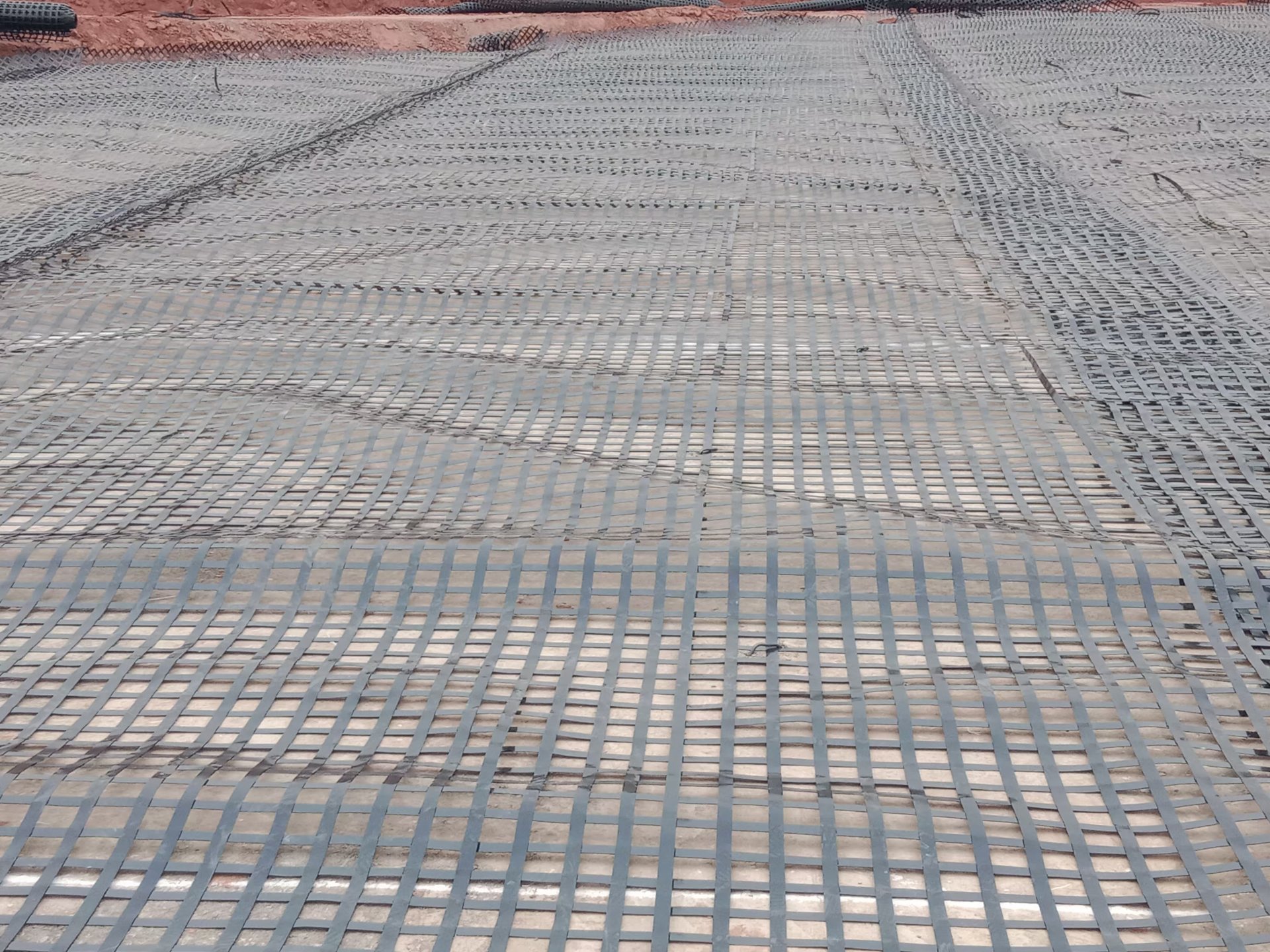
ZHONGTAI HENGBANGPET Polyester Welded Geogrid Advantages
Relying on independent innovation and technological expertise, Taihengbang Engineering Technology Co., Ltd. has achieved groundbreaking progress in the geosynthetics field. The company’s newly developed and produced PET polyester-welded geogrids, backed by multiple core patented technologies, have set a high-standard industry benchmark. Built on high-strength polyester materials and crafted through advanced precision welding techniques, these geogrids feature a robust, stable mesh structure, delivering exceptional performance in terms of tensile strength, durability, and environmental adaptability.
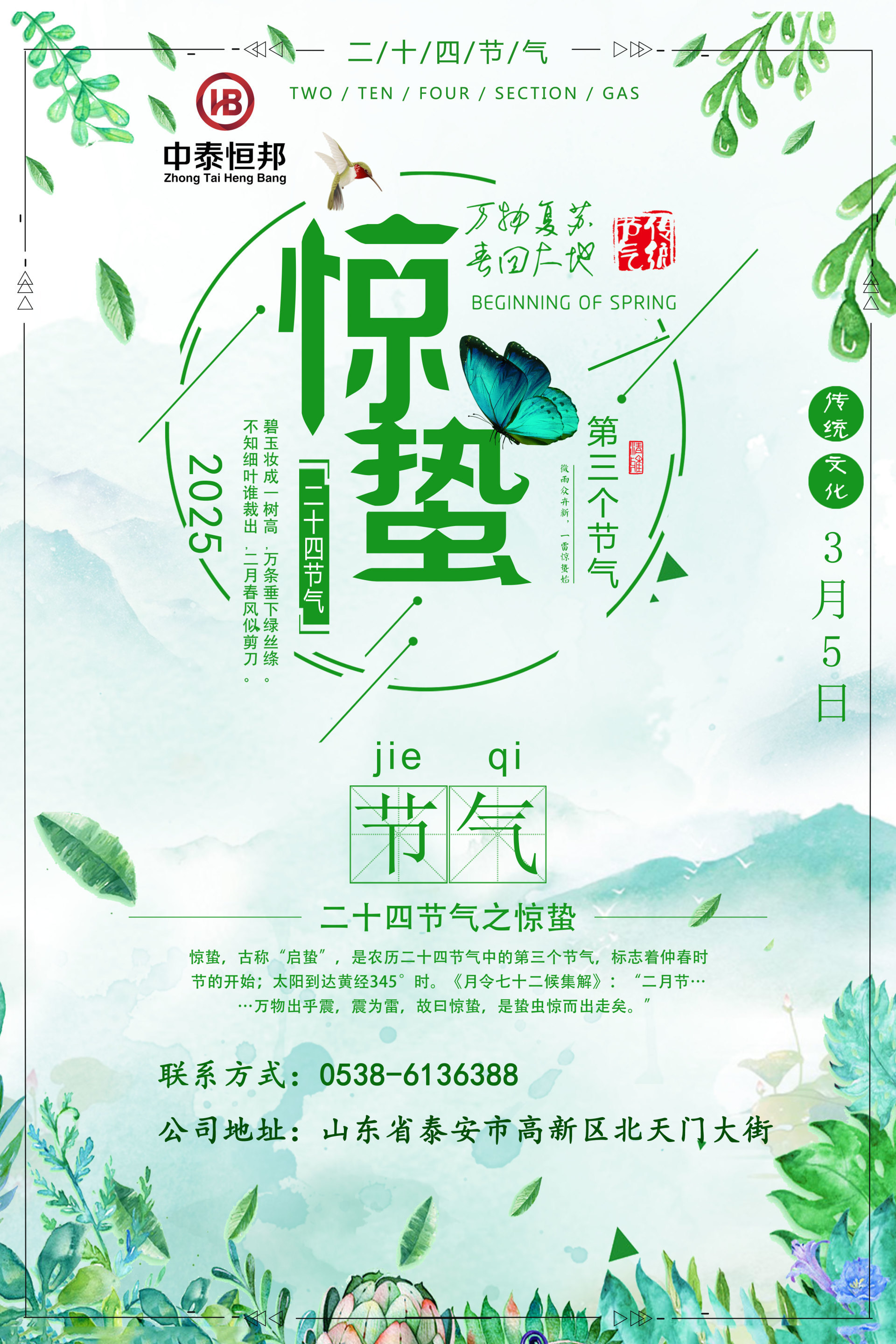
Jingzhe | Spring thunder rumbles, and all things grow.
Around March 5, the first spring thunder begins to rumble, rousing hibernating insects and snakes from their winter slumber. Peach blossoms start to peek out on the branches, and the earth softens as new buds emerge.
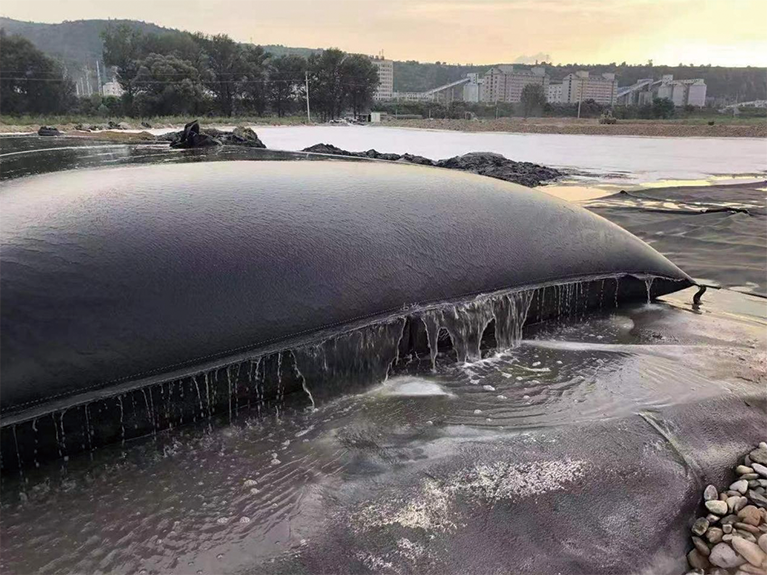
Geotube: A sludge dewatering tool—your eco-friendly engineering ally
A geotube is a tubular bag made by sewing together high-strength geotextile fabric. Utilizing the natural principle of gravity filtration, it removes water from sludge, effectively separating mud from water.
February 2, Dragon Raises Head: A Forgotten Spring Festival Celebration
On the second day of the second lunar month, spring returns to the earth, and all things awaken from their winter slumber. On this day—gradually fading from modern memory—lies one of the deepest cultural codes of the Chinese nation. The "Dragon Rises" is not just a seasonal marker; it’s also a spiritual totem for the Chinese people—a cherished legacy of our agricultural civilization.
Construction Plan for Laying and Welding of Composite Geomembranes
Construction Plan for Laying and Welding of Composite Geomembranes
Introduction to Drainage and Waterproofing Sheets
Introduction to Drainage and Waterproofing Sheets
ZHONGTAI HENGBANG Technology Co., Ltd.
Address: East Section of Zhongtianmen Avenue, Tai'an High-tech Zone, Shandong Province
Service Hotline